Introduction
Walk into two different homes, and you can instantly feel the difference. One space may feel calm and airy, while another feels warm, dramatic, or full of creative energy. That’s the magic behind the different types of interior design—each style tells a story and shapes how we experience a space every single day.
In reality, interior design is about much more than choosing trendy furniture or matching colors. It influences mood, productivity, comfort, and even emotional well-being. According to a 2024 Houzz survey, over 74% of homeowners said thoughtful interior design improved how they felt at home. That’s a powerful reminder that design choices genuinely matter.
Whether you’re redesigning a tiny apartment, planning a luxury villa, or simply refreshing one room, understanding different styles can save you time, money, and frustration. Some people naturally love clean Scandinavian simplicity, while others are drawn to bold industrial aesthetics or timeless traditional interiors.
This guide explores the most popular types of interior design, their defining features, benefits, and practical tips to help you discover the style that truly feels like home.

Table of Contents
Modern Interior Design
Contemporary Interior Design
Minimalist Interior Design
Scandinavian Interior Design
Industrial Interior Design
Traditional Interior Design
Transitional Interior Design
Bohemian Interior Design
Rustic Interior Design
Farmhouse Interior Design
Mid-Century Modern Interior Design
Coastal Interior Design
Luxury Interior Design
How to Choose the Right Interior Design Style
Frequently Asked Questions
Conclusion
Modern Interior Design
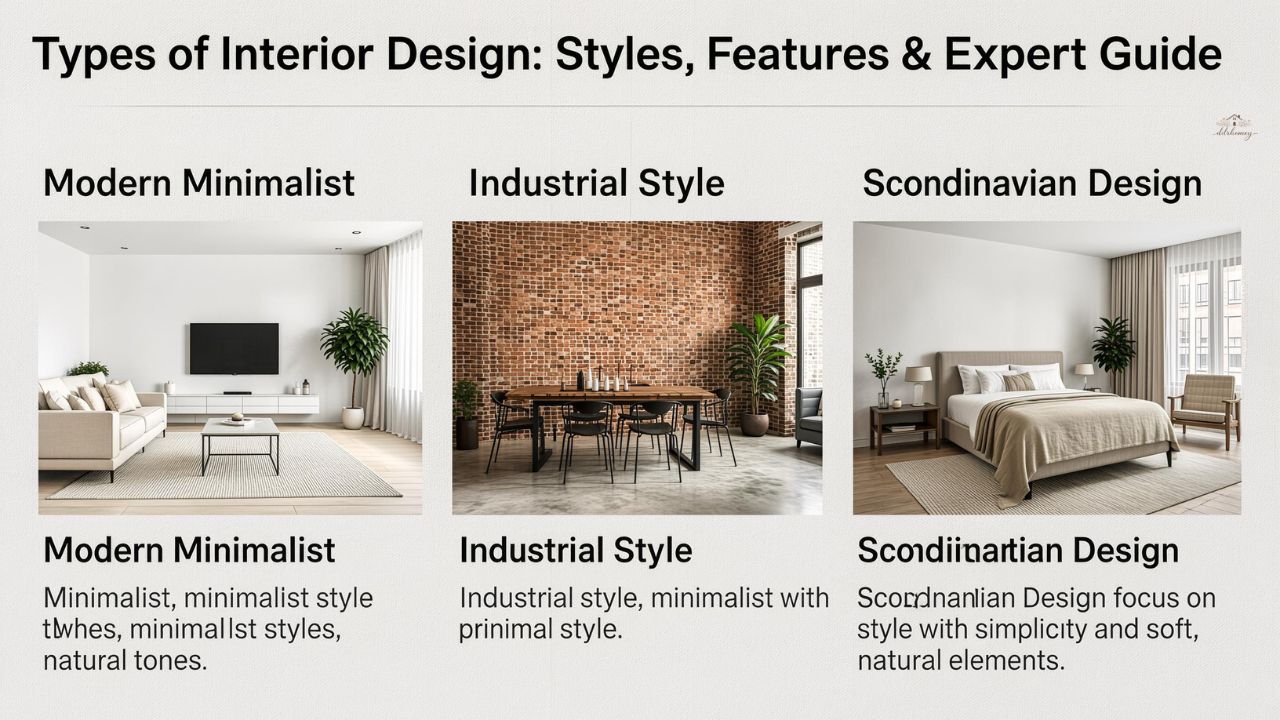
Modern interior design is often misunderstood as “whatever looks trendy,” but the style actually dates back to the early 20th century. It focuses on clean lines, simplicity, and functionality.

Key Features of Modern Design
- Neutral color palettes
- Open floor plans
- Sleek furniture with clean edges
- Minimal clutter
- Natural materials like wood and leather
- Large windows and natural light
Modern interiors avoid excessive decoration. Instead, they prioritize intentional design choices that create a calm and organized environment.
Why Homeowners Love It
Many people choose modern interiors because they feel timeless and uncluttered. In busy urban environments, a clean living space can reduce stress and improve focus.
For example, a modern living room might include:
- A low-profile sofa
- A glass coffee table
- Matte black lighting fixtures
- Neutral-toned rugs
That said, modern design can sometimes feel cold if not balanced with textures and personal touches.
Contemporary Interior Design
Among the most evolving types of interior design, contemporary style changes with current trends while still maintaining sophistication.
Unlike modern design, which belongs to a specific historical period, contemporary interiors reflect what’s fashionable now.
Characteristics of Contemporary Interiors
- Curved furniture shapes
- Statement lighting
- Neutral foundations with bold accents
- Open spaces
- Sustainable materials
- Artistic decor pieces
Contemporary homes often blend multiple styles together. You may see minimalist furniture paired with luxurious textures or industrial lighting mixed with organic materials.

Popular Contemporary Color Schemes
| Color Palette | Mood Created |
|---|---|
| Beige and white | Calm and elegant |
| Black and charcoal | Dramatic and modern |
| Earth tones | Warm and natural |
| Soft gray with gold | Sophisticated |

Minimalist Interior Design
Minimalism follows the principle of “less is more.” However, true minimalist interiors are not empty or boring. They are carefully designed to eliminate unnecessary distractions.
Core Elements of Minimalism
- Functional furniture
- Open spaces
- Limited color palettes
- Clean surfaces
- Hidden storage solutions
Minimalist homes often use whites, soft grays, and muted earthy shades to create visual harmony.
Benefits of Minimalist Spaces
Research from UCLA’s Center on Everyday Lives and Families found that cluttered environments can increase stress hormones. Minimalist interiors help create mental clarity by reducing visual noise.
A minimalist bedroom may feature:
- Platform beds
- Floating nightstands
- Linen bedding
- One statement artwork piece
However, balance matters. Overdoing minimalism can make spaces feel sterile instead of peaceful.
Scandinavian Interior Design
Scandinavian design originated in Nordic countries where long winters encouraged people to create bright, cozy interiors.
Today, it remains one of the most beloved types of interior design worldwide.
What Defines Scandinavian Style?
- Light wood finishes
- White or pale walls
- Cozy textures
- Functional furniture
- Soft lighting
- Minimal yet warm aesthetics
The Danish concept of “hygge” strongly influences Scandinavian interiors. Hygge emphasizes comfort, relaxation, and emotional warmth.

Scandinavian Design Tips
- Use layered textiles
- Add indoor plants
- Maximize natural light
- Choose practical furniture
- Keep decor simple but meaningful
This style works exceptionally well in smaller apartments because it creates an airy and spacious feeling.
Industrial Interior Design
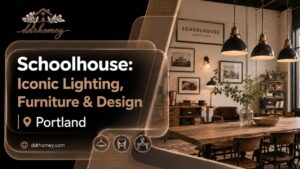
Industrial interiors draw inspiration from old factories and warehouses. Exposed materials and raw textures define the look.
Signature Features
- Exposed brick walls
- Metal fixtures
- Concrete floors
- Open ceilings with visible pipes
- Vintage furniture
- Dark neutral colors
Industrial spaces feel bold, edgy, and urban.
Industrial Style in Modern Homes
You don’t need a loft apartment to achieve industrial aesthetics. Even small touches can create the vibe:
- Edison bulb lighting
- Black steel shelves
- Reclaimed wood furniture
- Leather seating
On the other hand, too many dark elements may make rooms feel heavy. Designers often soften industrial spaces with rugs, greenery, or warm wood accents.

Traditional Interior Design
Traditional interiors are rooted in European decor styles from the 18th and 19th centuries. They emphasize elegance, symmetry, and timeless beauty.
Hallmarks of Traditional Design
- Rich wood furniture
- Ornate moldings
- Classic patterns
- Luxurious fabrics
- Chandeliers
- Warm color palettes
Traditional homes often feel welcoming and refined.
Common Traditional Decor Elements
| Element | Examples |
|---|---|
| Fabrics | Velvet, silk, damask |
| Furniture | Wingback chairs, carved wood |
| Colors | Burgundy, navy, cream |
| Accessories | Antique mirrors, lamps |
Despite its classic appeal, traditional design can still feel fresh when combined with modern accents.
Transitional Interior Design
Transitional style bridges the gap between traditional and modern interiors.
This is one of the fastest-growing types of interior design because it offers flexibility and balance.
Transitional Style Characteristics
- Neutral colors
- Comfortable furniture
- Minimal ornamentation
- Soft textures
- Mixed materials
A transitional living room may include:
- Traditional sofa shapes
- Contemporary lighting
- Neutral rugs
- Modern art pieces
This blend creates spaces that feel both timeless and current.
Bohemian Interior Design
Bohemian, or “boho,” style celebrates creativity, individuality, and freedom.
Unlike rigid design styles, bohemian interiors encourage personal expression.

Elements of Boho Style
- Layered textiles
- Vintage furniture
- Global-inspired decor
- Bold colors
- Indoor plants
- Handmade accessories
Bohemian interiors often tell personal stories through collected items and eclectic decor.
Creating a Balanced Boho Space
Without careful styling, bohemian rooms can feel chaotic. The secret is maintaining harmony through repeated colors or textures.
For example:
- Earthy tones paired with greenery
- Woven rugs and macramé
- Rattan furniture mixed with colorful pillows
Boho spaces feel relaxed, artistic, and deeply personal.
Rustic Interior Design
Rustic interiors celebrate natural beauty and rugged charm.
This style is inspired by cabins, countryside homes, and nature itself.
Key Rustic Features
- Reclaimed wood
- Stone accents
- Warm earthy tones
- Handmade furniture
- Natural fabrics
Rustic homes often feel emotionally comforting and grounded.
Rustic Style Today
Modern rustic interiors combine natural materials with contemporary comfort. For example:
- Stone fireplaces with sleek furniture
- Wooden beams with modern lighting
- Neutral palettes with cozy textures

The balance between rough and refined creates warmth without feeling outdated.
Farmhouse Interior Design
Farmhouse style became wildly popular thanks to home renovation shows and social media. However, authentic farmhouse interiors focus on simplicity and practicality.
Farmhouse Design Essentials
- Shiplap walls
- Distressed wood
- Neutral palettes
- Apron-front sinks
- Open shelving
- Vintage-inspired decor
Modern Farmhouse vs Traditional Farmhouse
| Style | Characteristics |
|---|---|
| Traditional Farmhouse | Rustic and vintage |
| Modern Farmhouse | Cleaner and more contemporary |
Modern farmhouse design often includes black accents, sleek lighting, and minimal decor while still maintaining cozy warmth.
Mid-Century Modern Interior Design
Mid-century modern design originated between the 1940s and 1960s and remains incredibly influential today.
Why It Remains Popular
- Functional furniture
- Organic shapes
- Retro aesthetics
- Bold accent colors
- Large windows
Iconic mid-century furniture pieces include:
- Eames lounge chairs
- Tapered-leg furniture
- Geometric lighting
This style combines nostalgia with practicality, making it perfect for contemporary homes.
Coastal Interior Design
Coastal interiors capture the relaxing atmosphere of seaside living.
Coastal Design Features
- Light blues and whites
- Natural fibers
- Airy layouts
- Nautical-inspired decor
- Driftwood textures
Unlike overly themed beach houses, modern coastal design feels sophisticated and serene.
Creating Coastal Calm

Simple touches can transform a room:
- Linen curtains
- Soft blue cushions
- Jute rugs
- Natural sunlight
Coastal spaces are especially popular in warmer climates because they create a peaceful retreat-like environment.
Luxury Interior Design
Luxury interiors focus on exclusivity, craftsmanship, and premium materials.
However, luxury isn’t always about excessive spending. True luxury often lies in thoughtful details and exceptional quality.
Features of Luxury Interiors
- Custom furniture
- Marble surfaces
- Designer lighting
- High-end fabrics
- Statement art pieces
- Smart home integration
The Psychology of Luxury Spaces
Luxury environments often evoke feelings of comfort, confidence, and prestige. According to the Global Wellness Institute, beautifully designed homes can positively impact emotional wellness and productivity.
High-end interiors typically emphasize:
- Spacious layouts
- Personalized design
- Attention to detail
- Layered lighting

How to Choose the Right Interior Design Style
Choosing among the many types of interior design can feel overwhelming. The good news is that you don’t need to follow one style perfectly.
Most beautifully designed homes blend elements from multiple aesthetics.
Consider Your Lifestyle
Ask yourself:
- Do you prefer clean or cozy spaces?
- How much maintenance are you comfortable with?
- Do you entertain guests often?
- Do you have children or pets?
For example, minimalist white interiors may look stunning online, but they can become difficult to maintain in busy family homes.
Understand Your Space
Different styles suit different environments.
| Space Type | Recommended Styles |
|---|---|
| Small apartment | Scandinavian, minimalist |
| Loft | Industrial, contemporary |
| Family home | Transitional, farmhouse |
| Luxury villa | Modern luxury, contemporary |
Find Inspiration Carefully
Pinterest and Instagram are excellent for inspiration, but copying trends blindly often leads to disappointment.
Instead:
- Save images consistently
- Notice recurring patterns
- Identify colors and textures you naturally love
Over time, your personal style becomes clearer.
Mix Styles Thoughtfully
The most inviting homes often mix design influences.
For example:
- Scandinavian + bohemian
- Modern + rustic
- Traditional + contemporary
Balance is key. Too many competing elements can make rooms feel visually exhausting.

Budget Realistically
One common misconception about interior design is that it always requires huge budgets.
In reality:
- Paint dramatically changes spaces
- Lighting affects mood instantly
- Rearranging furniture can improve flow
- Textiles add warmth affordably
Small updates can create surprisingly powerful transformations.
The Emotional Impact of Interior Design
People rarely talk about the emotional side of design enough.
The right environment can:
- Reduce stress
- Improve focus
- Encourage relaxation
- Increase happiness
On the other hand, poorly designed spaces often create discomfort and mental fatigue without us fully realizing it.
This emotional connection explains why understanding the different types of interior design matters so much. Your home is not just a place—it’s an experience.

Frequently Asked Questions
FAQs
What are the main types of interior design?
The main types of interior design include modern, contemporary, minimalist, Scandinavian, industrial, traditional, transitional, bohemian, rustic, farmhouse, coastal, and luxury styles.
Which interior design style is most popular?
Modern and contemporary styles remain among the most popular because they combine functionality with clean aesthetics. Scandinavian and farmhouse designs are also highly popular worldwide.
How do I identify my interior design style?
Start by collecting inspiration images and noticing recurring themes. Pay attention to colors, furniture shapes, textures, and room layouts you naturally prefer.
Can I combine multiple interior design styles?
Yes. Many professionally designed homes successfully combine multiple styles. Transitional interiors are a perfect example of blending traditional and modern elements.
What is the difference between modern and contemporary design?
Modern design refers to a specific historical style emphasizing simplicity and clean lines. Contemporary design reflects current trends and evolves over time.
Is minimalist interior design expensive?
Not necessarily. Minimalism focuses on intentional living and fewer possessions. While some minimalist furniture is expensive, the overall philosophy often encourages buying less.
Which interior design style works best for small homes?
Scandinavian and minimalist styles work exceptionally well in smaller spaces because they maximize light, openness, and functionality.
What colors are commonly used in interior design?
Neutral tones like white, beige, gray, and earthy shades are widely used. However, bold accent colors are also popular depending on the design style.
Are interior design trends changing in 2026?
Yes. Current trends emphasize sustainability, natural materials, multifunctional furniture, wellness-focused spaces, and personalized interiors rather than overly perfect designs.
Conclusion
The world of types of interior design is incredibly diverse, and that’s exactly what makes it exciting. Some people feel happiest in calm minimalist spaces, while others thrive in colorful bohemian interiors filled with personality and stories.
At the end of the day, great design is not about blindly following trends. It’s about creating a home that reflects who you are, supports your lifestyle, and makes everyday life feel better. Whether you love sleek modern elegance, rustic warmth, or luxurious sophistication, the best interior design style is the one that genuinely feels like home to you.