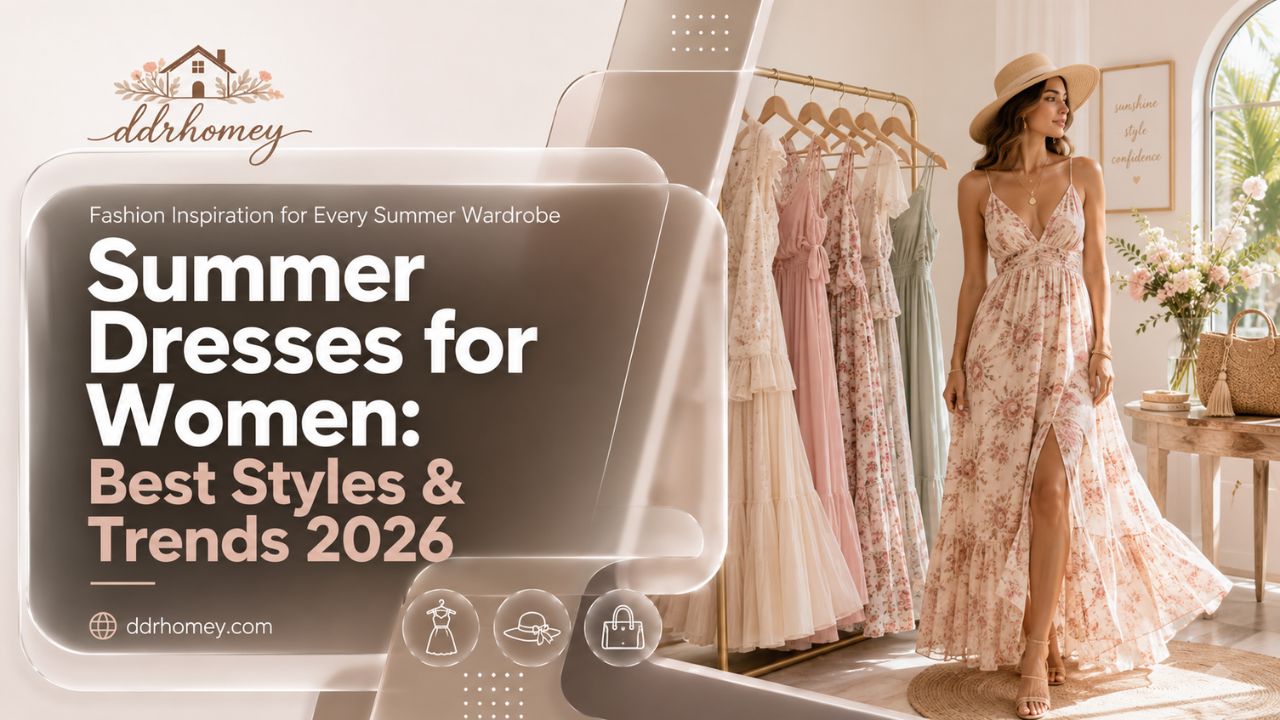
There’s a particular kind of magic that happens when you slip into the perfect summer dress — the fabric is light, the fit is just right, and suddenly the whole season feels like it belongs to you. It’s no coincidence that summer dresses for women consistently rank among the most searched fashion topics every year as temperatures climb. The right dress doesn’t just keep you cool; it shapes how you move through the world on a warm afternoon.
What makes this season especially exciting is the sheer range of options available. Whether you’re drawn to breezy maxis, structured midis, or playful minis, 2025 has brought a wave of fresh silhouettes and prints that feel genuinely new without abandoning the classics. Designers and independent labels alike have leaned into comfort-forward construction without sacrificing style — a shift that reflects how women actually want to dress.
This guide covers everything from the season’s standout trends to practical advice on choosing the right cut for your body type, occasion, and personal aesthetic. If you’ve been scrolling endlessly without finding what you’re looking for, you’re in the right place.
What’s Driving Summer Dress Trends in 2025
Fashion doesn’t exist in a vacuum. The styles dominating this summer reflect a broader cultural conversation about ease, self-expression, and sustainability. After years of pandemic-era loungewear, women have returned to dressing with intention — but they haven’t given up on comfort.
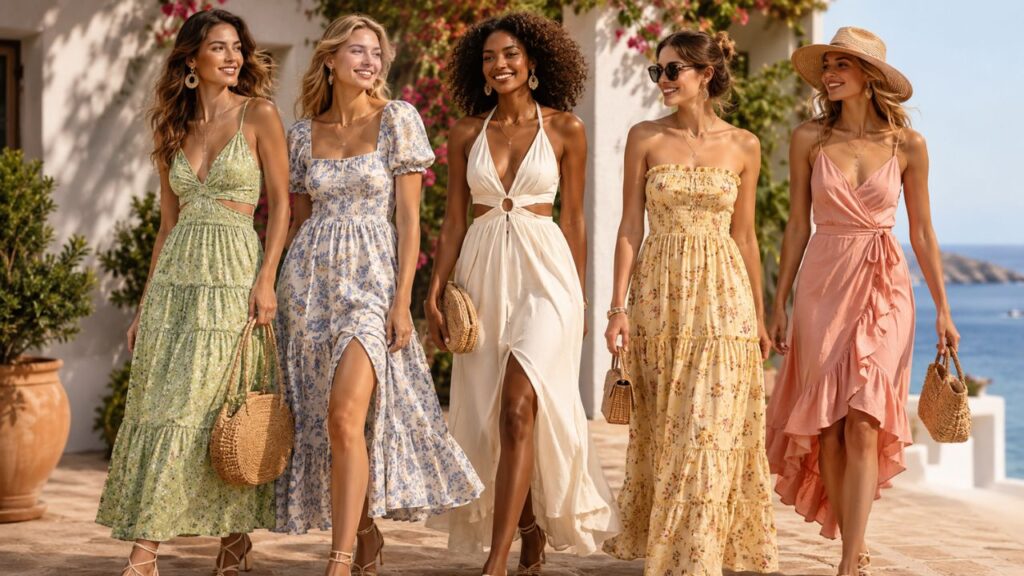
The new dress design 2025 landscape is defined by a few clear directions. Soft, organic silhouettes have replaced the rigid bodycon shapes that dominated the mid-2010s. Earthy tones — terracotta, sage, warm ivory, dusty rose — are sharing runway space with bold tropical prints and retro-inspired florals. And perhaps most notably, the line between casual and dressy has blurred significantly.
The Return of the Midi Length
The midi dress — hitting anywhere from just below the knee to mid-calf — has cemented its place as the most versatile length of the decade. It works for a farmers market run, a rooftop dinner, a beach wedding, or a work-from-home video call where you want to look pulled together from the waist up.
Stylists frequently recommend the midi as the most flattering length across a wide range of body types because it elongates the leg without requiring heels and skims over areas many women prefer not to emphasize. In 2025, expect to see midi dresses in tiered cotton, broderie anglaise, and lightweight linen — all fabrics that breathe beautifully in heat.
Prints and Patterns Leading the Season
Florals for summer are hardly a revelation, but the way they’re being executed this year feels genuinely fresh. Oversized botanical prints on dark backgrounds, delicate ditsy florals on cream cotton, and abstract watercolor patterns are all having a moment simultaneously. The key shift is that prints are being used on more structured silhouettes — a wrap dress in a bold floral reads very differently than the same print on a shapeless shift.
Stripes, particularly vertical and diagonal cuts, are also prominent in new dress design 2025 collections. They’re a perennial summer staple for good reason: they’re graphic, easy to style, and work across casual and semi-formal contexts without much effort.
The Best Fabrics for Summer Dresses for Women
Fabric choice is where a summer dress either succeeds or fails. You can love a dress on the hanger and hate it by noon on a hot day if the material doesn’t breathe. Understanding what to look for — and what to avoid — saves you from expensive mistakes.
Natural Fibers That Actually Work
Cotton remains the gold standard for summer dressing, and for good reason. It absorbs moisture, allows airflow, and softens with every wash. Within the cotton family, voile and lawn are particularly prized for warm-weather dressing because they’re woven to be exceptionally lightweight and semi-sheer.
Summer lawn frock design has a long and beloved history, particularly in South Asian fashion traditions, where lawn fabric — a fine, plain-weave cotton — has been elevated into an art form. Intricate embroidery, digital prints, and delicate cutwork on lawn fabric produce dresses that are simultaneously breathable and visually stunning. This aesthetic has crossed cultural boundaries and now influences mainstream summer fashion globally.
Linen is another natural fiber worth embracing, despite its reputation for wrinkling. Modern linen blends — often mixed with a small percentage of viscose or cotton — wrinkle far less than pure linen while retaining the breathability that makes the fabric so appealing. A linen midi dress in a neutral tone is one of the most effortlessly chic things you can wear on a summer afternoon.
Fabrics to Approach with Caution
Polyester and synthetic blends trap heat and moisture against the skin, which makes them uncomfortable in genuine summer heat. They’re fine for air-conditioned environments or evening events, but if you’re spending time outdoors, they’ll work against you.
Rayon and viscose occupy a middle ground — they drape beautifully and feel cool initially, but they can cling when damp and require more careful washing. If you love the look of a rayon dress, reserve it for lower-humidity days or indoor occasions.
Summer Dress Design Styles Worth Knowing
Understanding the vocabulary of dress design helps you shop more effectively and communicate what you’re looking for. These aren’t just fashion terms — they describe real structural differences that affect how a dress fits, moves, and flatters.
Wrap Dresses
The wrap dress, popularized by Diane von Furstenberg in the 1970s, has never really gone out of style — and 2025 is no exception. Its defining feature is a front closure that wraps one side of the dress over the other and ties at the waist, creating a V-neckline and a defined waist simultaneously.
Wrap dresses are genuinely flattering across a wide range of body types because the tie allows you to adjust the fit at the waist. They’re also easy to dress up or down: a wrap dress in a bold print with sandals reads casual; the same silhouette in a solid jewel tone with heeled mules becomes evening-appropriate.
Smocked and Tiered Designs
Smocking — a technique where fabric is gathered and stitched in a honeycomb pattern — has become one of the defining details of summer dress design over the past few years, and it’s showing no signs of fading. Smocked bodices are comfortable, adjustable, and work without a bra for many women, which makes them a practical choice for hot days.
Tiered dresses, where the skirt is constructed in horizontal layers of fabric, create movement and volume without adding bulk. They’re particularly popular in cotton and linen, where the layers catch the breeze and create that effortlessly romantic look that photographs beautifully.
Shirt Dresses and Utility Styles
For women who prefer a more structured, less overtly feminine aesthetic, the shirt dress delivers. Constructed like an elongated button-down shirt, it offers a clean, tailored look that works in casual and semi-professional contexts. Belted at the waist, it becomes more defined; left open and loose, it reads relaxed and easy.
Utility-inspired summer dress design — featuring patch pockets, tab sleeves, and functional hardware — has grown significantly in popularity as women prioritize practicality alongside style. A dress with actual pockets isn’t a luxury; it’s a baseline expectation that more brands are finally meeting.
Womens Summer Dresses by Occasion
One of the most common frustrations women express when shopping for dresses is finding something that works for a specific context. The same dress that’s perfect for a beach vacation might feel completely wrong at a garden party. Thinking about occasion first helps narrow your choices significantly.
Casual Everyday Dresses
Casual dresses for women designed for everyday wear prioritize comfort and ease of movement above everything else. Think cotton sundresses with adjustable straps, relaxed t-shirt dresses in jersey fabric, or simple shift dresses in a solid color that you can throw on without thinking.
The best casual summer dresses are the ones you reach for repeatedly — not because they’re the most exciting thing in your wardrobe, but because they’re reliable. A well-cut cotton dress in a neutral or classic stripe becomes a foundation piece that you can style differently with accessories, shoes, and outerwear.
Vacation and Resort Wear
Vacation dressing has its own logic. You want pieces that pack well, transition between beach and dinner, and photograph well in natural light. Maxi dresses in lightweight fabrics are perennial vacation favorites because they cover sun-sensitive skin while keeping you cool.
Womens summer dresses designed for resort contexts often feature bold prints, off-shoulder necklines, and details like tassel ties or embroidery that feel festive without requiring additional accessories. A single well-chosen vacation dress can carry you from a morning boat trip to an evening meal with minimal effort.
Garden Parties and Outdoor Events
Outdoor events in summer require a specific kind of dress: one that looks intentional and put-together but won’t leave you miserable in the heat. Midi and maxi lengths work better than minis for outdoor events where you might be sitting on grass or navigating uneven terrain.
Floral prints feel naturally appropriate for garden settings, but don’t feel constrained by the obvious choice. A solid-color dress in a rich tone — cobalt, emerald, or deep coral — can stand out beautifully against a green outdoor backdrop and photograph just as well as any floral.
Casual Dresses for Women: Building a Versatile Summer Wardrobe
The most practical approach to summer dressing isn’t buying a different dress for every occasion — it’s building a small collection of versatile pieces that work across multiple contexts. Quality over quantity is a principle that applies especially well to summer wardrobes, where the season is short and the temptation to over-buy is real.
The Core Pieces Worth Investing In
If you’re building from scratch, start with these foundational styles:
- A white or cream cotton midi dress — endlessly versatile, works with sandals, sneakers, or heeled mules
- A floral wrap dress — flattering, easy to dress up or down, appropriate for a wide range of occasions
- A casual t-shirt dress — the workhorse of a summer wardrobe, perfect for everyday errands and low-key outings
- A linen or cotton shirt dress — structured enough for semi-professional contexts, relaxed enough for weekends
These four pieces, styled differently, can cover the vast majority of summer situations without requiring a closet full of single-use dresses.
How to Style Summer Dresses Across Different Looks
Accessories transform a dress more dramatically than most women realize. The same floral midi dress reads completely differently with white sneakers and a canvas tote versus strappy heeled sandals and a small leather bag. Learning to style one dress multiple ways is a skill that extends your wardrobe significantly.
Layering also extends the life of summer dresses into transitional weather. A lightweight denim jacket over a sundress handles cool evenings; a linen blazer over a casual dress elevates it for a work context. Don’t think of your summer dresses as strictly warm-weather pieces — many of them will carry you well into September with the right layers.
New Dress Design 2025: Trends You’ll Actually Wear
Trend reporting can feel disconnected from real life — runway looks that are visually striking but practically unwearable. The trends worth paying attention to are the ones that translate directly into pieces you’ll actually reach for.
Cutout Details Done Right
Cutouts have been building momentum for a few seasons, and in 2025 they’ve matured into something more wearable. Rather than aggressive midriff-baring designs, the cutouts appearing in new dress design 2025 collections tend to be smaller, more strategic, and placed at the shoulder, upper back, or side seam. They add visual interest without requiring a specific body type or a level of confidence that not everyone feels on a Tuesday afternoon.
Crochet and Textured Knits
Crochet dresses — once firmly associated with 1970s bohemian aesthetics — have been reinterpreted for 2025 in ways that feel genuinely contemporary. Open-weave crochet over a slip lining creates a layered, textural look that’s both beach-appropriate and interesting enough for evening. The key is the lining: a well-lined crochet dress is versatile; an unlined one is a beach cover-up.
Summer Lawn Frock Design in Global Fashion
The influence of summer lawn frock design on mainstream Western fashion has grown noticeably in recent years. The intricate embroidery, delicate prints, and exceptional fabric quality associated with South Asian lawn fashion have inspired a broader appreciation for craftsmanship in summer dressing. Many independent designers now incorporate lawn-inspired techniques — fine cotton, detailed surface decoration, and flowing silhouettes — into their collections.
This cross-cultural exchange has enriched the summer dress landscape considerably. Women who might never have considered an embroidered cotton frock are discovering that the combination of breathable fabric and beautiful detail is exactly what they’ve been looking for.
Frequently Asked Questions
What length of summer dress is most flattering for petite women?
Midi dresses can work beautifully for petite frames when the hemline hits just below the knee rather than at mid-calf, which can visually shorten the leg. Mini and knee-length dresses are also strong choices because they show more leg and create the appearance of height. Pairing any length with a heel — even a modest wedge — adds visual length to the silhouette.
How do I keep a white summer dress from becoming see-through?
The most reliable solution is wearing seamless nude underwear that matches your skin tone rather than white, which paradoxically shows through white fabric more than skin-toned pieces do. A slip or lining layer underneath also solves the problem entirely. When shopping, hold the fabric up to light in the fitting room to assess opacity before purchasing.
Are maxi dresses appropriate for formal summer events?
Maxi dresses absolutely work for formal summer events when chosen carefully. Look for structured fabrics like chiffon, silk, or satin rather than casual cotton, and opt for cleaner silhouettes without too many casual details like patch pockets or drawstring waists. A floor-length dress in a solid jewel tone or an elegant print can be just as appropriate as a cocktail dress for outdoor weddings and garden parties.
What’s the best way to care for delicate summer dress fabrics?
Most lightweight summer fabrics — cotton voile, lawn, linen, and rayon — benefit from cold water washing and air drying rather than machine drying, which can shrink natural fibers and degrade delicate weaves. Turn dresses inside out before washing to protect prints and embroidery. For embroidered or embellished pieces, hand washing is always the safest option.
How do I choose a summer dress that works for both day and night?
Look for dresses in solid colors or sophisticated prints rather than overtly casual patterns, and choose a length that reads as intentional — midi and maxi lengths tend to transition more easily than very short styles. The fabric matters too: a dress in a slightly dressier material like chiffon or silk-blend reads more evening-appropriate than the same silhouette in cotton. Accessories do the rest of the work.
Can summer dresses work in a professional setting?
Many summer dresses translate well to professional environments with the right styling. A shirt dress or a structured wrap dress in a solid color or subtle print, paired with a blazer and closed-toe shoes, reads as polished and work-appropriate in most office settings. Avoid very short hemlines, spaghetti straps without a layer over them, and overly casual fabrics like jersey or terry cloth.
What shoes work best with different summer dress styles?
The pairing depends on the dress silhouette and occasion. Strappy sandals complement flowy maxi and midi dresses beautifully. White sneakers work with casual t-shirt dresses and shirt dresses for a relaxed, contemporary look. Block-heeled mules add height without the instability of stilettos and pair well with wrap dresses and tiered styles. For outdoor events on grass, a wedge heel distributes weight more evenly than a stiletto and is far more practical.
How many summer dresses does a woman actually need?
There’s no universal answer, but most style experts suggest that four to six well-chosen dresses cover the majority of summer situations without creating wardrobe overwhelm. The goal is versatility — pieces that work across multiple occasions and can be styled differently — rather than volume. A smaller collection of dresses you genuinely love will serve you better than a large collection of pieces you feel ambivalent about.
Dressing for the Season Ahead
Summer dressing, at its best, is one of the most joyful aspects of a woman’s wardrobe. The season invites lightness — in fabric, in color, in the ease with which you can get dressed and walk out the door feeling like yourself. Summer dresses for women have evolved considerably in recent years, but the core appeal remains unchanged: a single piece that does everything.
The trends worth following in 2025 are the ones that align with how you actually live. Whether that means a casual cotton dress you wear three times a week, a beautifully embroidered lawn frock for special occasions, or a versatile wrap dress that carries you from morning to evening, the best choice is always the one that fits your real life rather than an idealized version of it.
The season is short, and the right dress makes it feel longer. Invest in pieces that genuinely excite you, care for them well, and wear them without reservation — that’s the only summer dress philosophy worth following.