
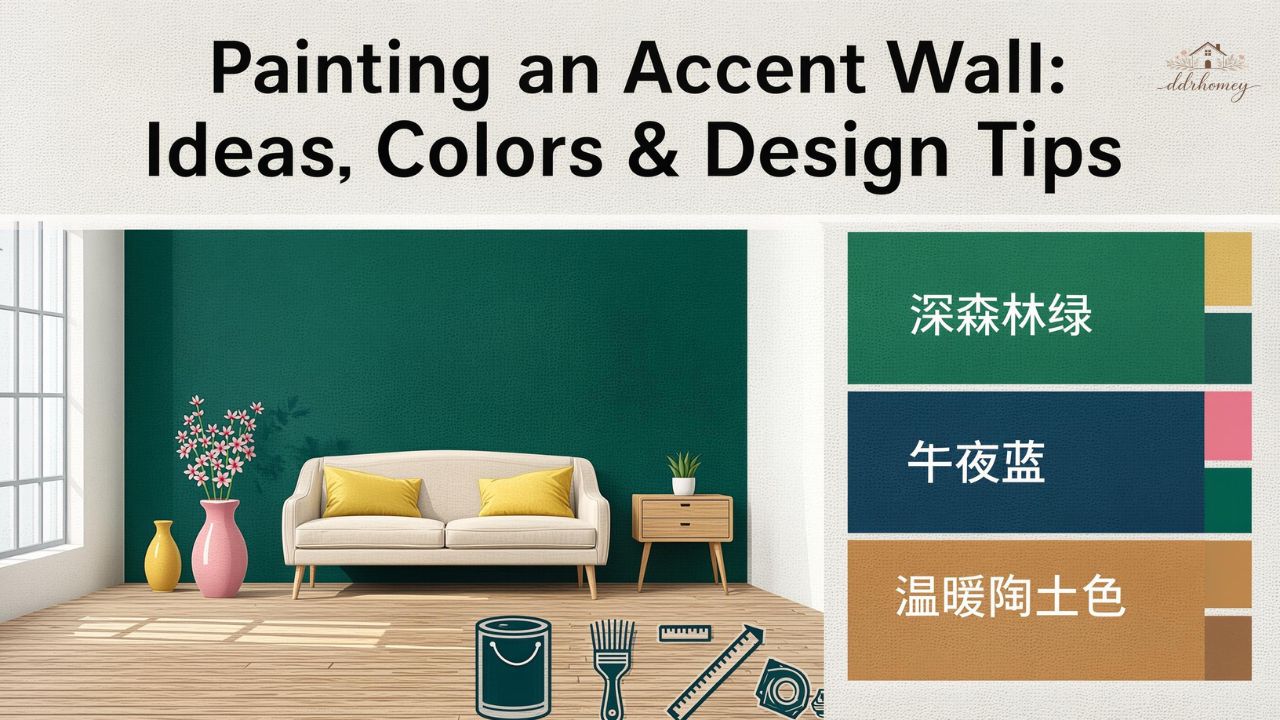
Introduction
Sometimes a room doesn’t need a complete makeover—it simply needs one bold design decision. That’s where painting an accent wall can completely transform a space. With a single wall and the right color choice, you can add personality, create visual interest, and redefine the atmosphere of an entire room.
Whether you’re decorating a living room, bedroom, dining area, home office, or entryway, accent walls remain one of the most affordable and impactful design upgrades available. They provide an opportunity to introduce color without overwhelming the room while creating a focal point that naturally draws attention.
The beauty of accent walls lies in their versatility. From dramatic dark tones and earthy neutrals to vibrant colors and artistic finishes, there are countless ways to customize a room and express your personal style through thoughtful paint choices.
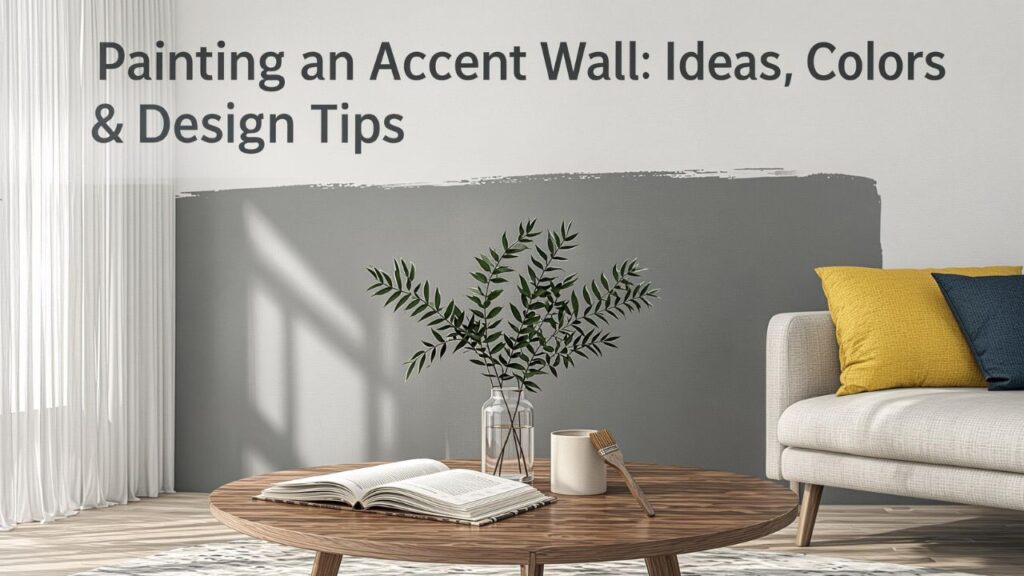
What Is an Accent Wall?
An accent wall is a single wall intentionally designed to stand out from the surrounding walls through color, texture, material, or pattern.
In most cases, painting an accent wall involves selecting one surface and applying a contrasting or complementary color that highlights architectural features and creates visual depth.
Common locations include:
- Behind a bed
- Behind a sofa
- Around a fireplace
- Entry walls
- Dining room focal points
- Home office backdrops
When executed correctly, an accent wall enhances a room without dominating it.
“Discover stylish home ideas, smart decor solutions, and practical living tips with Decoradyard Tip and TechoElite Homes. Transform your space into a beautiful, comfortable, and modern home today.”
Why Accent Walls Continue to Be Popular
Instant Visual Impact
Few decorating projects offer as much transformation for as little investment.
Benefits include:
- Increased character
- Strong focal points
- Added dimension
- Enhanced room personality
Even a modest paint project can dramatically change how a room feels.
Budget-Friendly Design Upgrade
Compared to large-scale renovations, painting an accent wall requires relatively little time and money.
Homeowners can often complete the project in a single weekend while achieving a significant visual upgrade.
How to Choose the Right Wall
Select the Natural Focal Point
The most successful accent walls typically highlight existing architectural features.
Ideal candidates include:
- Fireplace walls
- Bed headboard walls
- Television walls
- Built-in shelving walls
These locations already attract attention, making them natural choices.
Avoid Random Placement
Not every wall should become an accent wall.
Randomly selected walls can feel disconnected and may disrupt visual balance.
Always consider how the wall interacts with furniture, lighting, and room layout.
Evaluate Sight Lines
Think about what visitors see when entering the room.
The chosen wall should contribute positively to the overall visual experience.
Best Colors for Painting an Accent Wall
Deep Blue
Blue remains one of the most versatile accent wall colors.
Popular shades include:
- Navy
- Midnight blue
- Slate blue
- Dusty blue
These tones add sophistication without overwhelming a room.
Rich Green
Green continues to dominate interior design trends.
Popular options include:
- Sage
- Olive
- Forest green
- Moss green
Green creates a calming connection to nature.
Charcoal and Black
Dark colors can create stunning focal points.
Benefits include:
- Modern appeal
- Dramatic contrast
- Enhanced depth
- Luxurious atmosphere
Contrary to popular belief, darker colors can sometimes make rooms feel larger by visually receding.
Painting an Accent Wall in Different Rooms
Living Room Accent Walls
Living rooms provide excellent opportunities for creative expression.
Popular choices include:
- Fireplace surrounds
- Entertainment walls
- Feature walls behind sofas
These locations naturally anchor the room.
Bedroom Accent Walls
Bedrooms often benefit from accent walls positioned behind the bed.
This placement:
- Frames the bed
- Creates balance
- Adds visual interest
- Enhances coziness
Dining Room Accent Walls
Dining spaces can become more inviting with strategic color placement.
Deep jewel tones and earthy hues often work beautifully in dining environments.
Painting an Accent Wall in Small Rooms
Use Color Strategically
Small rooms can benefit significantly from thoughtful color placement.
Effective options include:
- Soft navy
- Muted green
- Warm gray
- Rich taupe
These colors create depth without overwhelming the space.
Consider Vertical Emphasis
Accent walls can draw attention upward and make ceilings feel taller.
This technique works especially well in compact bedrooms and apartments.
Balance with Lighter Surroundings
Keeping adjacent walls lighter allows the accent color to stand out while maintaining brightness.
Popular Accent Wall Styles
Monochromatic Accent Walls
Rather than dramatic contrast, some homeowners prefer subtle variation.
Using a slightly darker shade within the same color family creates understated elegance.
Bold Statement Walls
For those who love dramatic interiors, bold colors provide maximum impact.
Popular statement colors include:
- Emerald green
- Burgundy
- Deep navy
- Charcoal black
Textured Paint Finishes
Texture adds another layer of visual interest.
Options include:
- Limewash
- Color washing
- Venetian plaster effects
- Matte finishes
These techniques create unique and sophisticated results.
Tools and Materials Needed
Successful painting an accent wall projects begin with proper preparation.
Essential supplies include:
- Quality paint
- Primer
- Painter’s tape
- Rollers
- Brushes
- Drop cloths
- Sandpaper
- Paint trays
Investing in quality tools typically improves the final result.
Step-by-Step Painting Process
Prepare the Surface
Begin by:
- Cleaning the wall
- Repairing imperfections
- Sanding rough areas
- Applying primer if necessary
Preparation often determines the overall quality of the finished project.
Tape Carefully
Painter’s tape creates clean, professional-looking edges.
Take extra time around:
- Trim
- Ceilings
- Corners
- Baseboards
Apply Multiple Coats
Most accent walls require at least two coats for consistent coverage.
Allow adequate drying time between applications.
Common Mistakes to Avoid
Choosing the Wrong Wall
One of the most common mistakes is selecting a wall without considering room layout.
Ignoring Lighting
Natural and artificial lighting significantly affect paint color appearance.
Always test samples before committing.
Going Too Bright
Extremely intense colors can overwhelm a space if not balanced carefully.
Skipping Prep Work
Proper preparation remains essential for achieving smooth, professional results.
Decorating Around an Accent Wall
Coordinate Accessories
Accent walls look best when integrated into the broader design scheme.
Repeat colors through:
- Pillows
- Rugs
- Artwork
- Curtains
This creates cohesion throughout the room.
Maintain Balance
The goal is enhancement, not competition.
Allow the accent wall to remain the focal point.
Layer with Texture
Texture softens bold colors and adds visual complexity.
Consider:
- Wood elements
- Woven materials
- Soft fabrics
- Natural stone
Current Accent Wall Trends
Earth-Toned Colors
Nature-inspired palettes remain highly desirable.
Popular shades include:
- Clay
- Terracotta
- Olive
- Sand
Moody Interiors
Dark, dramatic walls continue gaining popularity in modern homes.
Organic Modern Design
Natural materials paired with thoughtful color choices create sophisticated, welcoming interiors.
Many contemporary homeowners use painting an accent wall as a key component of this design approach.
Benefits Beyond Aesthetics
Accent walls do more than improve appearance.
They can:
- Define zones in open spaces
- Highlight architectural details
- Improve visual balance
- Express personal style
- Create focal points
These practical benefits contribute to their enduring popularity.
FAQ
What is the best wall for an accent wall?
The best choice is usually the room’s natural focal point, such as a fireplace wall, bed wall, or entertainment wall.
Is painting an accent wall still in style?
Yes. Modern accent walls continue evolving through updated colors, textures, and design approaches.
What colors work best for accent walls?
Popular options include navy, olive green, charcoal, terracotta, sage, and deep gray.
Can an accent wall make a room look bigger?
Yes. Strategic color placement can add depth and create the illusion of greater space.
Should accent walls be darker or lighter?
Most accent walls are darker than surrounding walls, but lighter tones can also create beautiful results.
How many walls should be accent walls?
Typically one wall is sufficient. Multiple accent walls can diminish visual impact.
Do accent walls work in small rooms?
Absolutely. When chosen carefully, accent walls can enhance depth and character in compact spaces.
What finish is best for an accent wall?
Matte and eggshell finishes are among the most popular choices because they minimize imperfections while providing elegant appearance.
Conclusion
Painting an accent wall remains one of the most effective ways to transform a room without undertaking a major renovation. Whether you prefer bold dramatic colors, subtle tonal variation, or modern earthy palettes, an accent wall can add personality, depth, and visual interest while reflecting your unique design style.
By selecting the right wall, choosing colors thoughtfully, preparing surfaces properly, and coordinating surrounding decor, you can create a feature that enhances the entire room. The result is a space that feels more intentional, inviting, and visually dynamic—all achieved with little more than paint, creativity, and a willingness to embrace change.