
Introduction
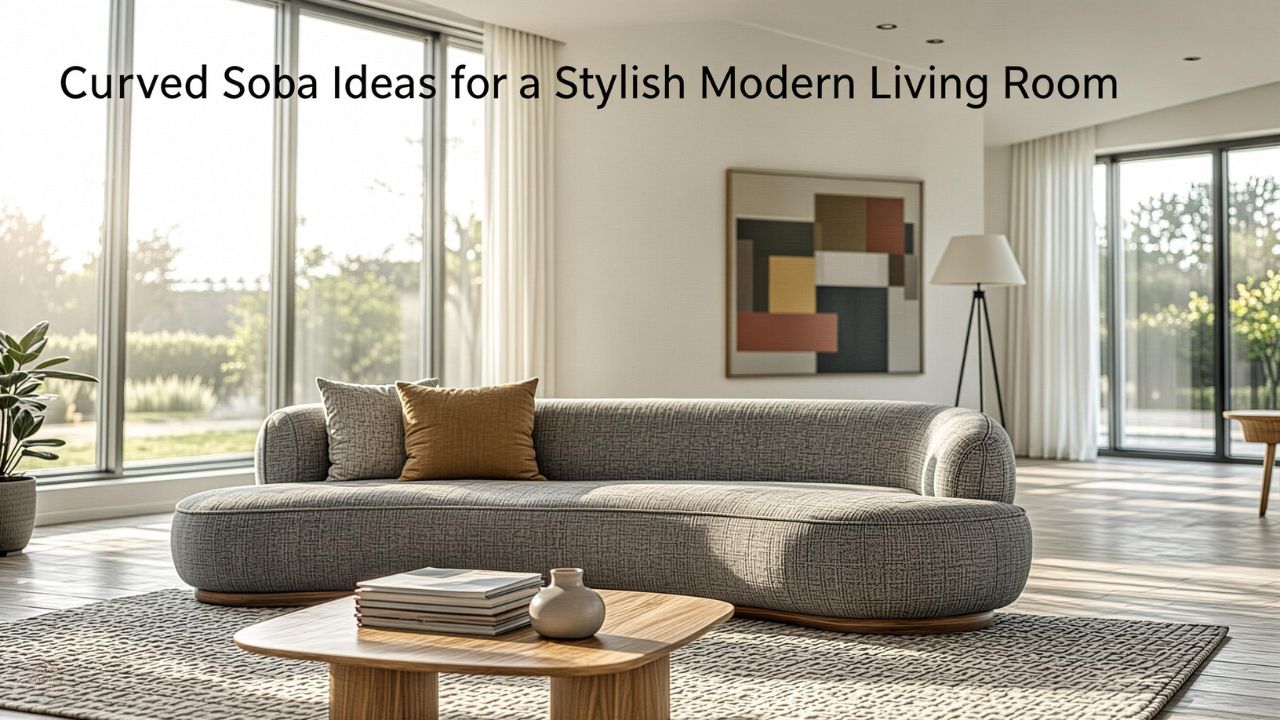
Furniture trends come and go, but some designs instantly transform the atmosphere of a room in a way that feels timeless. A curved sofa does exactly that. With its soft lines, inviting shape, and sophisticated appearance, this style of seating has become one of the most sought-after additions in modern interiors.
Unlike traditional boxy couches, curved seating creates a sense of movement and warmth that makes a room feel more welcoming. Whether you live in a compact apartment or a spacious home, the right sofa can completely change how your space looks and feels.
Homeowners and interior designers alike are embracing curved furniture because it balances comfort with visual elegance. These sofas not only provide practical seating but also serve as sculptural statement pieces that elevate an entire room.
In this guide, you will discover how to choose the perfect sofa style, arrange it effectively, decorate around it, and maintain a cohesive interior that feels both stylish and comfortable.
Why the Curved Sofa Trend Continues to Grow
Interior design has gradually shifted away from harsh angles and rigid layouts. More homeowners now prefer spaces that feel soft, organic, and relaxing.
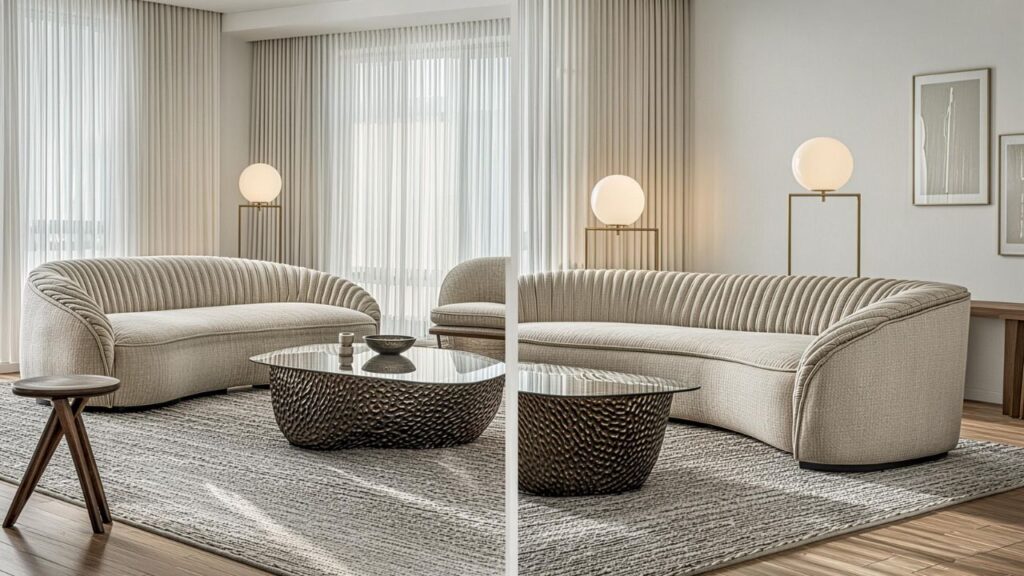
A curved seating arrangement naturally encourages conversation while making rooms feel more fluid and inviting. Instead of sharp corners interrupting the visual flow, rounded furniture creates smoother transitions throughout the space.
Another reason this trend continues to rise is versatility. A curved sofa works surprisingly well in many design styles, including:
- Minimalist interiors
- Mid-century modern spaces
- Contemporary homes
- Luxury apartments
- Scandinavian-inspired rooms
- Art deco interiors
This adaptability makes curved seating appealing to homeowners with different tastes and layouts.
The Emotional Impact of Rounded Furniture
Soft shapes tend to create a calmer environment psychologically. Rounded edges feel less formal and more approachable than straight-lined furniture.
This subtle emotional effect can make living rooms feel:
- More relaxing
- More welcoming
- More luxurious
- More conversational
- More visually balanced
Curved designs often create a cozy atmosphere without making a room feel crowded.
How to Choose the Perfect Curved Sofa
Selecting the right sofa involves more than choosing a beautiful design. The ideal piece should complement your lifestyle, room dimensions, and decorating preferences.
Consider Room Size First
One of the biggest misconceptions about curved furniture is that it only works in large spaces. While oversized sofas certainly make dramatic statements in open layouts, smaller curved styles can work beautifully in apartments and compact homes too.
Measure your available floor space carefully before shopping.
Pay attention to:
- Sofa width
- Seat depth
- Walking clearance
- Traffic flow
- Distance from walls
- Positioning near windows or tables
A sofa that overwhelms the room can make the layout feel awkward and cramped.
Choose the Right Upholstery
Fabric choice dramatically affects both comfort and appearance.
Popular upholstery options include:
Velvet
Velvet enhances the luxurious appearance of curved furniture. It reflects light beautifully and adds rich texture to the room.
Bouclé
Bouclé fabric has become increasingly popular for modern interiors because of its cozy texture and contemporary aesthetic.
Linen
Linen creates a softer, more casual look that works well in relaxed living spaces.
Leather
Leather curved seating offers sophistication and durability, especially in modern or masculine interiors.
Choose upholstery based on both style and practical needs such as pets, children, or maintenance preferences.
Think About Color Carefully
Color influences how dominant or subtle your sofa appears.
Neutral tones like cream, beige, gray, and taupe create timeless elegance, while bold shades like emerald green, navy blue, or rust orange create stronger visual impact.
A curved sofa in a muted tone often becomes easier to style over time because it adapts to changing decor trends.
Best Living Room Layouts for Curved Furniture
Furniture arrangement matters just as much as the furniture itself.
Because curved sofas have a unique silhouette, they require slightly different layout strategies than standard couches.
Floating Layouts Work Best
One of the best ways to showcase curved seating is by floating it away from walls.
Placing the sofa in the center of the room allows its shape to become a focal point while improving flow around the space.
This arrangement works especially well in:
- Open-concept homes
- Large living rooms
- Studio apartments
- Loft spaces
Floating furniture also creates more intentional conversation areas.
Pair with Round or Oval Tables
Sharp-edged furniture can visually clash with soft sofa curves.
Round coffee tables and oval side tables help reinforce the organic flow of the design.
Materials like marble, glass, wood, or travertine often complement curved seating beautifully.
Use Area Rugs Strategically
Area rugs help anchor the seating arrangement.
Large rugs with subtle patterns or soft textures typically work best because they support the furniture without overpowering it.
Round rugs can enhance the curved aesthetic, while rectangular rugs provide balance and structure.
Styling a Curved Sofa for a Luxurious Look
Decorating around curved furniture requires balance and restraint.
The sofa itself already acts as a visual centerpiece, so surrounding decor should enhance rather than compete with it.
[Image Placeholder: Luxury living room with styled curved sofa and decor]
Layer Throw Pillows Thoughtfully
Throw pillows add softness, texture, and contrast.
Instead of overcrowding the sofa, focus on a curated arrangement.
Popular pillow combinations include:
- Velvet and linen textures
- Neutral and earthy tones
- Mixed sizes and shapes
- Subtle patterns
- Bouclé accents
Odd-number arrangements often look more natural and relaxed.
Add Soft Lighting
Lighting dramatically influences how luxurious a space feels.
Floor lamps, wall sconces, and table lamps with warm lighting create a cozy atmosphere that highlights the curves of the furniture beautifully.
Avoid overly harsh overhead lighting whenever possible.
Incorporate Organic Shapes
To maintain visual harmony, continue the soft design language throughout the room.
Examples include:
- Curved mirrors
- Rounded vases
- Sculptural decor
- Arched shelving
- Circular chandeliers
Repeating rounded forms creates a cohesive and polished interior.
Curved Sofa Styles for Different Interior Themes
Curved seating comes in many forms, allowing homeowners to match their preferred aesthetic.
Minimalist Interiors
Minimalist spaces benefit from sleek sofas with clean lines and neutral upholstery.
Cream or beige seating paired with natural wood and simple decor creates understated elegance.
Mid-Century Modern Spaces
Mid-century interiors often feature low-profile curved seating with tapered legs and textured fabrics.
Warm wood accents and vintage lighting complement this style perfectly.
Glamorous Luxury Interiors
For a high-end appearance, choose velvet upholstery, metallic accents, and dramatic lighting.
A large curved sofa paired with marble surfaces and sculptural decor creates hotel-inspired sophistication.
Scandinavian Homes
Scandinavian spaces emphasize simplicity, warmth, and comfort.
Light fabrics, soft textures, and neutral palettes help curved seating blend naturally into Nordic-inspired interiors.
Small Space Decorating with Curved Furniture
Many homeowners assume curved seating only suits large homes, but smaller versions can work beautifully in compact spaces.
Choose Compact Designs
Apartment-friendly sofas often feature:
- Slim arms
- Lower backs
- Narrow profiles
- Exposed legs
- Lightweight frames
These details help the room feel more open and airy.
Use Mirrors to Expand the Space
Mirrors reflect both light and furniture shapes, helping compact rooms feel larger.
Positioning a mirror behind or near the sofa can enhance depth and brightness.
Keep Decor Minimal
Too many decorative accessories can overwhelm smaller rooms.
When decorating compact spaces, focus on:
- Clean surfaces
- Limited color palettes
- Functional decor
- Hidden storage
- Streamlined accessories
This approach allows the sofa to remain the star of the room.
Popular Materials Used in Modern Curved Sofas
Material choice affects durability, comfort, maintenance, and overall appearance.
Wood Frames
High-quality hardwood frames provide long-term durability and structural support.
Kiln-dried wood is especially reliable because it resists warping over time.
Foam and Cushion Fillings
Different fillings create different seating experiences.
Common cushion options include:
- High-density foam
- Down-filled cushions
- Memory foam blends
- Fiber-wrapped foam
Firm cushions tend to maintain their shape longer, while softer fillings create a more relaxed feel.
Metal Accents
Some contemporary sofas include metal bases or legs for a modern touch.
Brass, matte black, and chrome finishes can all complement curved designs depending on the room style.
Color Trends for Curved Sofas
Color trends evolve constantly, but certain tones continue to dominate modern interiors.
Neutral Shades
Neutral sofas remain the most versatile choice.
Popular neutral colors include:
- Ivory
- Beige
- Cream
- Sand
- Light gray
- Taupe
These tones create timeless elegance and allow flexibility with accessories.
Earthy Tones
Nature-inspired colors have become increasingly popular in recent years.
Warm terracotta, olive green, caramel brown, and clay tones add warmth and depth without overwhelming the room.
Bold Statement Colors
For homeowners seeking dramatic interiors, bold colors create unforgettable focal points.
Deep blue, emerald green, burgundy, and mustard yellow can transform a simple room into a striking design statement.
A bold curved sofa often works best when surrounding decor remains relatively simple.
Common Mistakes to Avoid When Buying a Curved Sofa
Choosing statement furniture requires thoughtful planning.
Avoiding common mistakes can save money, frustration, and design regret.
Ignoring Room Measurements
One of the most common issues is purchasing a sofa that is too large for the space.
Always measure doorways, staircases, and room dimensions carefully before buying.
Overcrowding the Room
Curved furniture naturally attracts attention.
Adding too many competing statement pieces can make the room feel visually chaotic.
Balance bold furniture with calmer surrounding decor.
Choosing Style Over Comfort
Appearance matters, but comfort should never be sacrificed.
Test seat depth, cushion support, and back height whenever possible.
Forgetting About Traffic Flow
Rounded furniture changes how people move through a room.
Ensure there is enough walking space around the sofa to maintain functionality.
Maintenance Tips for Long-Lasting Beauty
A well-maintained sofa can remain beautiful for many years.
Vacuum Regularly
Dust and debris settle into fabric over time.
Use upholstery attachments weekly to maintain cleanliness and preserve fabric texture.
Rotate Cushions
Rotating cushions helps distribute wear evenly and maintain consistent shape.
Protect Against Sunlight
Direct sunlight can fade upholstery over time.
Use curtains, blinds, or UV-filtering window treatments to reduce exposure.
Address Spills Immediately
Quick cleaning prevents stains from setting deeply into the fabric.
Always follow manufacturer cleaning instructions to avoid damage.
Why Designers Love the Curved Sofa
Interior designers frequently choose curved seating because it introduces softness and sophistication into almost any environment.
These sofas photograph beautifully, enhance architectural flow, and create more dynamic room compositions.
Designers also appreciate how versatile curved furniture can be across various aesthetics.
Whether styled minimally or dramatically, the shape itself naturally adds elegance to a room.
Another reason professionals favor this trend is its timeless quality. While certain furniture trends disappear quickly, rounded forms continue to feel relevant because they echo natural shapes found throughout architecture and nature.
A thoughtfully styled curved sofa can make even an ordinary living room feel custom-designed and visually refined.
FAQ
Are curved sofas comfortable for everyday use?
Yes. Many curved sofas are designed with deep seating and supportive cushions, making them highly comfortable for daily lounging and entertaining.
Do curved sofas work in small living rooms?
Absolutely. Compact curved designs with slim profiles can actually improve flow and soften tight spaces.
What coffee table shape works best with a curved sofa?
Round and oval coffee tables usually complement curved seating best because they maintain visual harmony and improve movement around the room.
Are curved sofas expensive?
Prices vary depending on size, materials, and craftsmanship. There are affordable options as well as luxury designer versions available.
Which colors are most popular for curved sofas?
Neutral shades like cream, beige, gray, and ivory remain popular, while earthy greens and warm terracotta tones are also trending.
Can curved sofas fit modern interiors?
Yes. Curved furniture works exceptionally well in modern interiors because it softens harsh lines and adds sculptural interest.
How do I clean a fabric curved sofa?
Vacuum regularly, clean spills immediately, and follow the manufacturer’s upholstery care instructions for best results.
Is a curved sofa only for luxury homes?
Not at all. Curved seating can work beautifully in apartments, family homes, studios, and minimalist spaces when scaled appropriately.
Conclusion
Furniture has the power to shape not only how a room looks but also how it feels. Rounded seating introduces softness, elegance, and warmth in a way that traditional straight-lined furniture often cannot.
Whether you prefer minimalist simplicity or luxurious sophistication, the right sofa can completely transform your living space into an environment that feels both stylish and inviting.
As interior design continues embracing organic forms and comfortable living, it is easy to understand why the curved sofa remains one of the most influential furniture trends in modern homes today.