
Whether you’re refreshing a single room or giving your entire home a makeover, a painting project requires careful planning and execution. Many homeowners underestimate the complexity involved in achieving a professional-quality finish, leading to frustration and subpar results. Understanding the fundamentals of proper painting techniques can help you decide when to tackle a project yourself and when to call in the experts who can deliver results that last.
Assessing Your Project Scope
Before opening a paint can, take time to evaluate what your project truly involves. Consider the condition of existing surfaces—are there cracks, water damage, or layers of old paint that may require special treatment? Calculate the square footage to ensure you purchase adequate materials, and factor in drying time between coats, which can extend a weekend project into a week-long commitment. Proper planning prevents the disappointment of running out of materials mid-project or discovering unexpected repairs that derail your timeline.
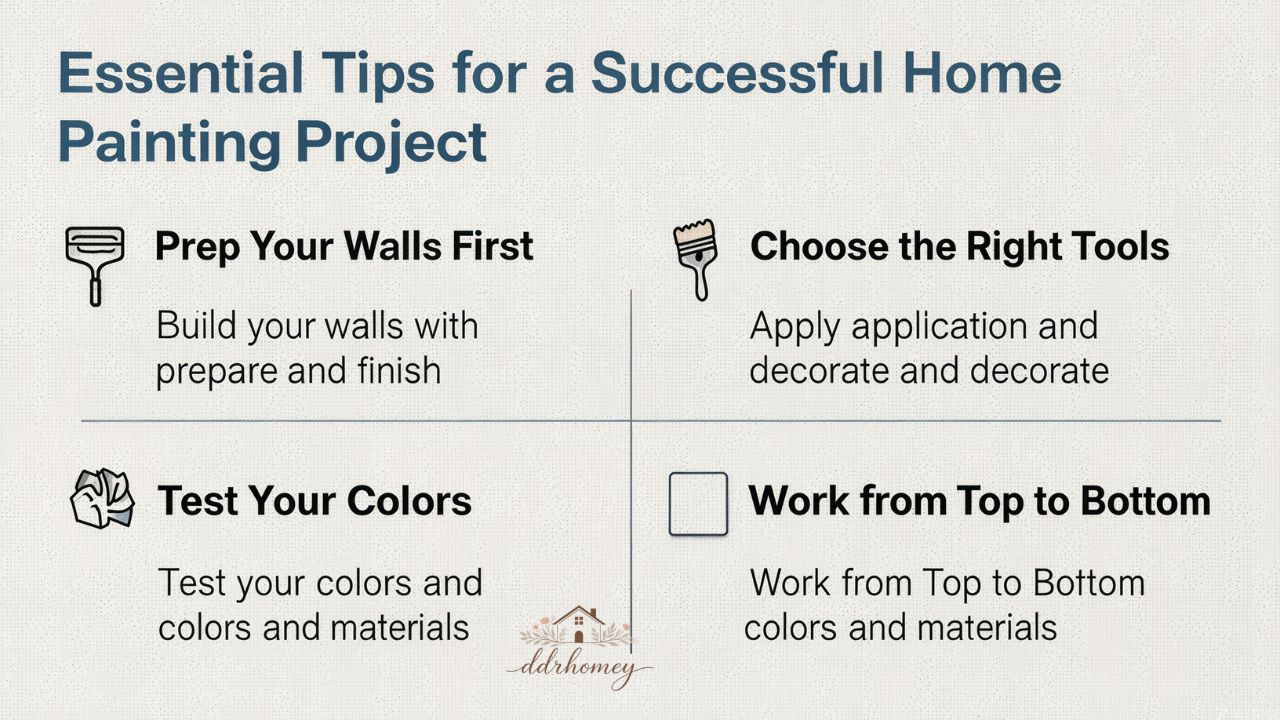
Color selection is another critical early step. Paint colors appear differently under various lighting conditions, so testing samples on your actual walls and observing them at different times of day can prevent costly mistakes. Remember that colors also interact with each other—what looks perfect on a sample card may clash with your flooring or furniture when applied to an entire room. Always test colors in the actual space before committing to gallons of paint.
Tools and Materials That Make a Difference
Quality tools are not a place to cut corners. Professional-grade brushes hold more paint and create smoother finishes, while premium rollers reduce stippling and leave more even textures. For cutting in around trim and ceilings, angled sash brushes with fine bristles provide the control needed for clean lines. Extension poles save time and reduce fatigue on larger walls and ceilings.
Don’t overlook the importance of painter’s tape, drop cloths, and extension poles. The time invested in proper protection and setup is always less than the time spent cleaning up splatters or repairing damaged surfaces. Many experienced DIYers recommend spending nearly as much time on preparation as on the actual painting. High-quality drop cloths protect flooring better than plastic sheeting, which can shift and allow paint to seep through.
When Professional Help Is the Smart Choice
While smaller projects like accent walls or powder rooms are well-suited to enthusiastic homeowners, larger or more complex jobs often benefit from professional expertise. Tall ceilings, intricate trim work, and exterior surfaces all present challenges that require specialized equipment and experience. Additionally, homes built before 1978 may contain lead paint, which requires EPA-certified remediation procedures that are not safe for untrained individuals to handle.
For homeowners in Central Pennsylvania seeking flawless results without the stress of managing every detail themselves, professional interior painting services offer a turnkey solution. Experienced painters bring efficiency, expertise, and attention to detail that transforms vision into reality while homeowners focus on their daily lives. They handle everything from furniture moving to final cleanup, delivering a finished space that’s ready to enjoy.
Common DIY Mistakes to Avoid
Even experienced DIY painters fall into predictable traps. Skipping primer on new drywall or patched areas leads to uneven sheen and poor adhesion. Painting over dirty or glossy surfaces without proper preparation guarantees peeling and chipping within months. Using the wrong paint type for the environment—such as flat paint in high-traffic hallways or non-moisture-resistant paint in bathrooms—creates maintenance headaches down the road.
Perhaps the most common mistake is rushing the process. Paint needs adequate drying time between coats, and cutting corners here results in a finish that looks streaky and feels tacky for weeks. Professional painters build realistic timelines that account for proper curing, ensuring the final result looks as good in year three as it does on day one. They understand that patience during the process is what creates lasting beauty.
Maximizing the Impact of Your Fresh Paint
Once your painting project is complete, a few finishing touches can amplify the impact. Updated switch plates, fresh caulk lines, and clean trim work all contribute to a polished appearance. Consider how your new wall colors interact with window treatments, artwork, and textiles—sometimes minor accessory changes can make a new paint color truly sing.
Regular maintenance, including gentle cleaning of walls and prompt touch-ups of any chips or marks, will keep your space looking fresh for years. With proper care, a quality interior paint job can maintain its beauty for a decade or more, making it one of the most enduring improvements you can make to your home. The investment in quality painting pays dividends in daily satisfaction and long-term property value.