Introduction
Interior design is more than just arranging furniture or picking out colors—it’s about creating an environment that reflects your personality, lifestyle, and values. Whether you’re transforming a single room or overhauling an entire home, a thoughtful approach to design can elevate your space to new heights.
DrHomey is here to guide you through the process of interior design, providing expert advice and actionable tips to help you achieve a stylish, functional, and comfortable home. In this article, we’ll delve into some of the best interior design practices, share tips tailored to modern living, and explore how you can use the principles of design to create spaces that are both beautiful and practical.
Understanding the Core Elements of Interior Design
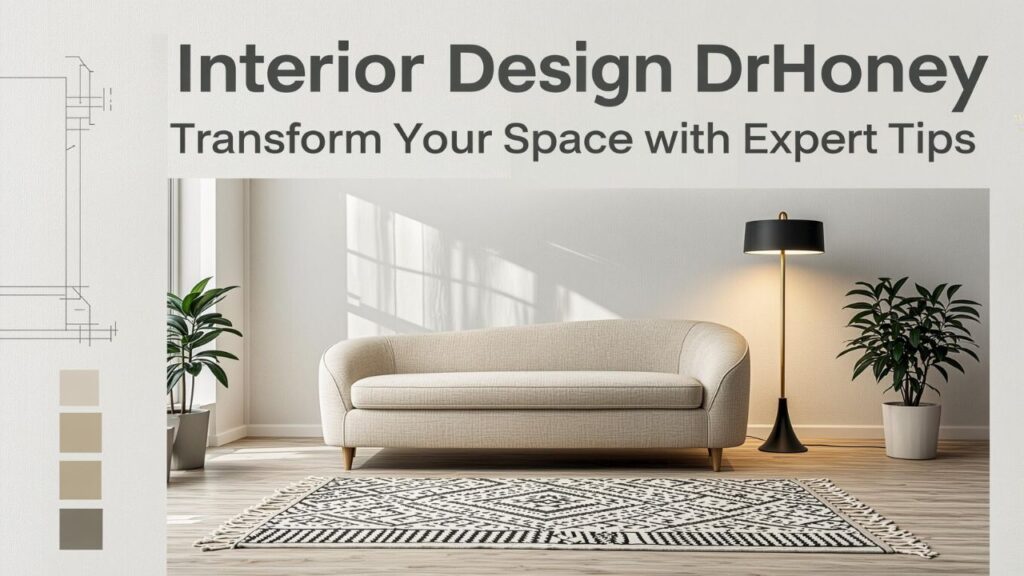
When embarking on an interior design project, it’s crucial to understand the fundamental elements that make a space truly work. From color schemes to furniture placement, each decision plays a significant role in how a room feels and functions.
1. Color Palettes: Setting the Tone for Your Home
Choosing the right color scheme is one of the most impactful decisions in interior design. Colors have the power to affect your mood, create an atmosphere, and make a room feel larger or more intimate. Neutral tones, such as whites, grays, and beige, are often used to create calm, open spaces, while bold colors like navy or emerald green can add drama and sophistication.
2. Furniture Selection: Form Meets Function
Selecting the right furniture is about balancing aesthetics with functionality. Pieces should not only complement the style of the room but also meet the practical needs of the space. Consider the layout of the room and the flow of movement before investing in furniture. DrHomey recommends choosing multi-functional pieces for smaller spaces to maximize efficiency without compromising on style.
Practical Interior Design Tips for Every Room
1. Living Room Design: Creating a Welcoming Space
The living room is often the centerpiece of your home, where family and friends gather to relax and socialize. Designing this space requires a mix of comfort, style, and functionality. Start by selecting a comfortable seating arrangement, such as a sectional or a combination of chairs and sofas, depending on your space’s layout.
DrHomey suggests focusing on creating conversation-friendly zones. Place your seating to encourage face-to-face interaction, and don’t forget to layer textures with rugs, cushions, and throws to add warmth and visual interest.
2. Kitchen Design: A Balance of Style and Utility
The kitchen is one of the most important rooms in any home, so functionality should be a top priority when designing it. Consider the “work triangle” (the ideal distance between the sink, stove, and refrigerator) to ensure an efficient cooking space. In modern kitchens, open shelving is becoming popular, allowing for easy access to kitchen essentials while also providing a more relaxed, open look.
In terms of color and materials, sleek surfaces, like granite or quartz countertops, combine durability with style, while natural wood elements can add warmth to the space.
Storage Solutions: Maximizing Space and Minimizing Clutter
No matter the size of your home, effective storage solutions are key to keeping your space organized and clutter-free. In compact spaces, vertical storage is a game-changer. Consider installing shelving units or tall cabinets that can store items without taking up precious floor space.
For larger homes, built-in storage, such as under-bed drawers or custom closet systems, can help you keep things neat while maintaining the aesthetic integrity of the room. DrHomey recommends investing in storage that can be both stylish and practical, allowing you to organize without sacrificing design.
Enhancing Your Space with Lighting
Lighting is an often-overlooked element of interior design that can dramatically affect the ambiance of a room. Layering different types of lighting—ambient, task, and accent—can create a well-rounded, dynamic atmosphere.
1. Ambient Lighting: The Base Layer
Ambient lighting provides overall illumination for the space and ensures that the room is well-lit at all times. Ceiling-mounted fixtures, recessed lighting, or floor lamps are great sources of ambient lighting.
2. Task Lighting: Focused and Practical
Task lighting helps illuminate specific areas where activities like reading, cooking, or working are performed. Consider adding task lights under cabinets in the kitchen or near the sofa in the living room for reading.
3. Accent Lighting: Adding Drama and Focus
Accent lighting draws attention to architectural features or artwork. Wall-mounted sconces, picture lights, and spotlights are great tools for creating focal points within a room.
Personalizing Your Home with Accessories
Accessories are the finishing touch that can truly bring your interior design vision to life. From art pieces to throw pillows, these small additions have the power to reflect your personal taste and style.
DrHomey suggests choosing a few key pieces, such as a statement mirror or a unique sculpture, that can act as conversation starters. Additionally, plants are a wonderful way to add life and freshness to any room while improving air quality.
FAQs about Interior Design with DrHomey
1. What is the best way to start an interior design project?
Starting with a clear vision of your desired outcome is key. Think about your needs, preferences, and lifestyle before making decisions. Planning ahead ensures you choose the right colors, furniture, and layout for your space.
2. How can I make a small room feel larger?
Use light colors, mirrors, and multi-functional furniture to maximize the space in smaller rooms. Keep the design minimalist to avoid overcrowding the area.
3. Should I follow trends in interior design?
Trends can be fun, but it’s important to prioritize timeless design elements that align with your personal style. A blend of classic pieces with a few trendy elements can keep your home looking fresh yet enduring.
4. How do I incorporate my personality into interior design?
Personal touches, such as custom art, heirlooms, or unique accessories, can bring your personality into the space. Choose items that hold significance to you or reflect your passions.
5. How can I balance functionality with aesthetics in design?
Think about how the room will be used daily. Focus on functional furniture that can also enhance the aesthetic appeal. Multi-functional pieces, such as storage ottomans or sofa beds, can help achieve both goals.
6. What’s the best lighting for a living room?
A combination of ambient, task, and accent lighting will create a comfortable and inviting atmosphere. Use floor lamps, pendant lights, or table lamps to provide both function and style.
Conclusion
Interior design with DrHomey is about more than just decorating a room—it’s about creating a space where you feel comfortable, inspired, and truly at home. By understanding the core principles of design and applying them thoughtfully, you can transform any space into a personalized sanctuary that blends style, comfort, and practicality. Whether you’re starting a complete overhaul or making small, impactful changes, these tips will help guide you through the process of turning your vision into reality.