Introduction
Some backyards feel unused not because they are too small, but because they do not invite people to stay. A thoughtful pavers backyard design can turn that quiet patch of grass, soil, or cracked concrete into the place everyone naturally gathers.
Think about Sunday breakfast outside, a small fire pit after sunset, kids walking barefoot from the pool, or friends sitting around a table without chair legs sinking into the lawn.
In this guide, we will walk through materials, layouts, costs, installation basics, drainage, design ideas, and care tips. The goal is simple: help you plan a paver backyard that feels personal, durable, and comfortable enough to use often.
Table of Contents
- What Is a Paver Backyard?
- Why Homeowners Choose Pavers for Backyard Spaces
- Best Materials for Paver Backyard Projects
- Pavers Backyard Design Ideas for Different Spaces
- How to Plan the Layout Before You Build
- Cost, Budget, and Value Considerations
- Drainage, Base Preparation, and Installation Basics
- Design Details That Make the Space Feel Finished
- Maintenance and Long-Term Care
- Common Mistakes to Avoid
- FAQs
- Conclusion
What Is a Paver Backyard?
A paver backyard is an outdoor space built with individual paving units instead of one continuous concrete slab. These units may be made from concrete, brick, clay, natural stone, porcelain, or permeable materials. They are usually placed over a prepared base of compacted gravel and bedding sand, then locked together with joint sand or polymeric sand.
A pavers backyard can feel rustic, modern, Mediterranean, coastal, farmhouse, or luxury depending on the material and pattern. Large-format concrete pavers feel clean and contemporary. Tumbled stone feels aged and relaxed. Brick creates warmth and charm. Permeable pavers suit homeowners who care about drainage and stormwater control.
Pavers vs. Concrete Slab
Concrete slabs are poured as one surface. They can be simple and affordable, but cracking is common over time. Repairs may also be noticeable because patched concrete rarely blends perfectly.
Pavers are separate pieces. They move slightly with temperature changes and ground movement, which can reduce visible cracking. The tradeoff is that pavers need correct installation. A weak base can cause sinking, uneven edges, and water pooling.
Pavers vs. Gravel
Gravel is cheaper and informal, but it moves underfoot and can be uncomfortable for dining chairs, wheelchairs, strollers, or high heels. Pavers create a firmer and cleaner surface, which makes them better for outdoor rooms and high-use areas.
Why Homeowners Choose Pavers for Backyard Spaces
People often start a patio project because they want beauty. In reality, the deeper reason is usually lifestyle. They want a place to sit outside without dragging furniture across grass. They want a cleaner path to the garden. They want the backyard to feel finished.
Outdoor remodeling also tends to make homeowners feel more connected to their homes. The National Association of REALTORS® reported that after outdoor remodeling projects, 68% of owners had a greater desire to be at home, while 60% reported increased enjoyment in their home. The same report noted a typical “Joy Score” of 9.7 for completed outdoor projects.
Durability
Pavers are designed for outdoor use. Concrete pavers, brick pavers, and stone pavers can handle foot traffic, furniture, grills, and weather when installed over a strong base. Some materials can last for decades with proper care.
Design Freedom
You can choose color, size, texture, border style, and laying pattern. A herringbone pattern feels classic and strong. A running bond feels simple. A basketweave pattern gives a cottage look. Large square pavers with grass joints feel modern and calm.
Easier Repairs
If tree roots, settlement, or staining affect one section, a contractor may be able to remove and reset only that area. This is one of the reasons pavers are loved for patios and walkways.
Better Outdoor Flow
A paver surface can connect the kitchen door to the dining area, the dining area to the fire pit, and the fire pit to the garden. Instead of one random patio pad, the yard becomes a series of useful spaces.
Best Materials for Paver Backyard Projects
The right material depends on climate, budget, home style, maintenance tolerance, and how the space will be used. There is no single “best” option for every home.
Concrete Pavers
Concrete pavers are popular because they offer many shapes, colors, and textures. They can imitate stone, brick, slate, or smooth modern slabs. They also come in many price levels, which makes them easier to fit into different budgets.
Concrete pavers work well for patios, walkways, pool decks, and fire pit areas. They are a practical choice for homeowners who want a polished look without paying for premium natural stone.
The downside is color fading over time, especially in strong sun. Sealing can help, but the surface still needs care.
Brick and Clay Pavers
Brick pavers have an old-world charm that never fully disappears. They look warm beside white siding, cottage gardens, traditional homes, and classic outdoor furniture.
They are especially nice for curved walkways, small courtyards, and garden borders. The red, brown, and orange tones can feel welcoming, but they may not suit every modern home. In freezing climates, choose products rated for outdoor freeze-thaw conditions.
Natural Stone Pavers
Natural stone gives a rich, organic look. Bluestone, travertine, limestone, granite, sandstone, and flagstone all create different moods. No two stones are exactly the same, which gives the patio a more custom feel.
Stone can cost more and may need more careful selection. Some stones become slippery when wet, while others absorb stains. For pool areas or shaded patios, texture and slip resistance are very important.
Porcelain Pavers
Porcelain pavers are growing in popularity for modern outdoor spaces. They are dense, sleek, and available in designs that mimic concrete, stone, and wood. Many porcelain pavers resist stains well and keep a clean appearance.
They work best when installed by someone who understands the product. Thin porcelain may need specific support systems, edge treatments, and cutting tools.
Permeable Pavers
Permeable pavers allow water to pass through gaps or openings into layers below. The U.S. Environmental Protection Agency explains that permeable pavement alternatives, including interlocking pavers and grid pavers, can reduce runoff by letting rain and snowmelt seep down into soil and gravel layers; they may also help filter pollutants.
This makes them useful for areas with drainage concerns, local stormwater rules, or eco-conscious landscape plans. They still need proper design. Soil type, slope, base depth, and maintenance all affect how well they perform.
| Material | Best For | Style Feel | Maintenance Level |
|---|---|---|---|
| Concrete pavers | Patios, walkways, fire pits | Flexible, modern, affordable | Medium |
| Brick pavers | Garden paths, classic patios | Warm, traditional, charming | Medium |
| Natural stone | Luxury patios, pool areas | Organic, premium, timeless | Medium to high |
| Porcelain pavers | Contemporary outdoor rooms | Sleek, clean, refined | Low to medium |
| Permeable pavers | Drainage-friendly spaces | Practical, eco-minded | Medium |
Pavers Backyard Design Ideas for Different Spaces
A good design starts with how you want to live outside. Do you need a dining area? A fire pit? A path through the garden? A place for morning tea? Start there, then choose the pattern and material.
Small Patio Retreat
Small yards need restraint. Use one main paver color and keep the layout simple. Large-format pavers can make a compact space feel wider because there are fewer joint lines.
Add a small bistro table, two chairs, a planter, and soft wall lighting. Even a 10-by-10 patio can feel special when it has a clear purpose.
Outdoor Dining Zone
For outdoor dining, choose a flat and stable paver surface. Chairs should slide easily without catching on uneven stone. A rectangular patio usually works best because it matches the shape of dining tables.
Leave enough room around the furniture. A table that technically fits but leaves no walking space will feel frustrating. For many families, the patio should extend at least a few feet beyond the table on all sides.
Fire Pit Area
A circular or square paver area around a fire pit creates a natural gathering spot. Use seat walls, gravel borders, or low planting beds to define the space.
Be careful with heat. Not all pavers are suitable directly under or close to fire features. Use fire-rated materials and follow manufacturer guidance for fire pits, gas lines, and clearances.
Poolside Layout
Pool areas need slip-resistant pavers that stay comfortable under bare feet. Light colors can reduce heat absorption, although local sun exposure still matters.
Avoid overly rough textures that hurt feet. Also think about drainage, because splash water needs somewhere to go.
Garden Walkways
A walkway does not have to be wide or expensive to change the yard. Stepping pavers through planting beds can make the garden feel intentional. A curved path can slow the pace and create a softer feeling.
For a natural look, leave space between pavers and fill gaps with groundcover, gravel, or grass. For easier maintenance, keep joints tighter and use polymeric sand.
Modern Grid Patio
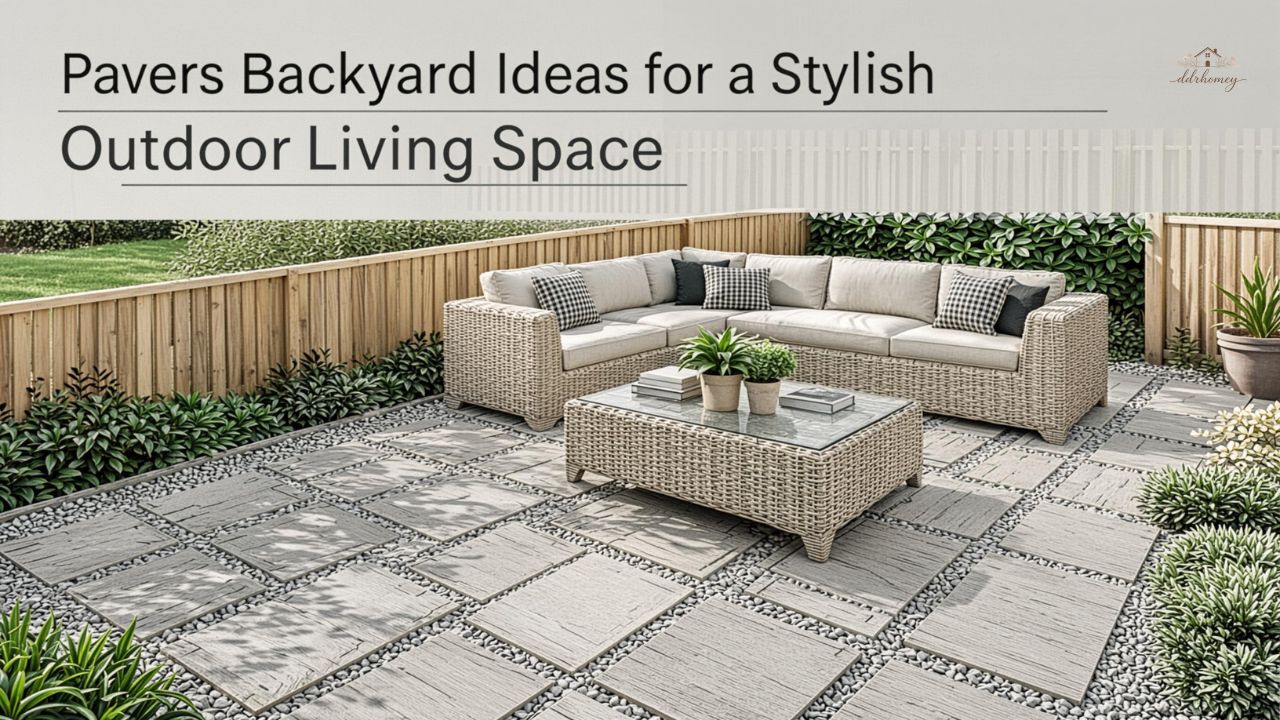
A modern grid uses large square or rectangular pavers with gravel, turf, or groundcover between them. It looks clean and architectural, especially beside flat-roof homes, black-framed windows, or minimalist garden beds.
This style needs careful alignment. If the spacing is uneven, the whole patio can look accidental.
How to Plan the Layout Before You Build
Planning saves money. It also prevents that awful feeling of finishing a project and realizing the grill blocks the walkway or the dining table is too close to the door.
Measure the Backyard
Start with the exact size of the space. Mark doors, steps, slopes, trees, fences, downspouts, utilities, and existing hardscape. These details affect the layout more than people expect.
Then mark how people naturally move. The best patio path is often the one your family already takes across the grass.
Define Activity Zones
A strong backyard plan usually includes zones. For example:
- Dining near the kitchen door
- Fire pit farther from the house
- Lounge seating near the view
- Grill area with space for prep
- Walkway from gate to patio
- Garden path through planting beds
A pavers backyard works best when these zones connect smoothly. Avoid isolated patio islands unless they have a clear purpose.
Choose the Pattern
Patterns affect both beauty and strength. Herringbone is popular for driveways and busy areas because the interlocking layout handles movement well. Running bond is simple and clean. Stack bond looks modern but may show imperfect alignment.
Curved patterns feel softer, but they require more cuts and usually more labor.
Pick a Border
Borders make a patio look finished. They can also help visually separate zones. A darker soldier course around a light patio adds definition. A brick border around concrete pavers creates warmth. A stone edge beside gravel softens the transition into the garden.
Think About Scale
Tiny pavers can look busy in a large yard. Huge slabs can feel awkward in a very small space if cuts become too obvious. Match the paver size to the patio size and the home’s architecture.
Cost, Budget, and Value Considerations
Budget is where dreams meet reality. The good news is that pavers can be planned in phases. You might build the main patio first, then add a walkway, seating wall, lighting, or fire feature later.
Angi’s 2026 cost data puts professional paver patio installation commonly around $8 to $25 per square foot, with an average around $3,800 for a 280-square-foot patio. It also notes that higher-end materials or complex projects can reach much more, even up to $50 per square foot in some cases.
Main Cost Drivers
- Patio size and shape
- Paver material and thickness
- Site access for workers and equipment
- Soil condition and excavation depth
- Drainage needs
- Pattern complexity
- Edge restraints and borders
- Steps, seat walls, or fire features
- Sealing and finishing
- Local permits or HOA approvals
Budget-Friendly Choices
A simple square or rectangular patio with concrete pavers is usually more affordable than a curved natural stone patio. Keeping the design clean can save on cuts and labor.
You can also mix materials. For example, use pavers for the dining area and gravel for a surrounding lounge edge. This adds texture while controlling cost.
When to Spend More
Spend more on the base, drainage, and installation quality before spending extra on decorative details. A beautiful surface over a weak base will not stay beautiful for long.
If your yard has poor drainage, heavy clay soil, or slope issues, professional planning is worth it. Water problems can ruin patios, damage nearby structures, and create slippery areas.
| Budget Level | Smart Choice | What to Avoid |
|---|---|---|
| Lower budget | Simple concrete pavers, straight edges | Complex curves and premium stone |
| Mid-range | Concrete or brick with border detail | Too many patterns in one patio |
| Higher budget | Natural stone, porcelain, custom layout | Spending on looks while ignoring drainage |
| Phased project | Patio first, lighting and walls later | Building disconnected areas without a plan |
Drainage, Base Preparation, and Installation Basics
The base is the part nobody sees, but it decides whether the patio stays level. Many paver problems come from shortcuts under the surface.
A proper base usually includes excavation, compacted aggregate, bedding sand, edge restraints, pavers, joint sand, and final compaction. Exact depth and materials depend on soil, climate, load, and local standards.
Slope Matters
Patios should move water away from the house. A patio that slopes toward the foundation can create moisture problems. Even a beautiful patio becomes stressful if water pools at the door after every rain.
Compaction Matters
Loose base material settles. That settlement creates dips, rocking pavers, and puddles. Compaction should happen in layers, not just once at the end.
Edge Restraints Matter
Without edge restraints, pavers can spread outward over time. This leads to gaps, loose borders, and a patio that slowly loses its shape.
Joint Sand Matters
Joint sand helps lock the surface together. Polymeric sand can reduce weeds and washout when installed correctly. It must be swept, compacted, and watered according to instructions. Too much water or poor cleaning can leave haze on the paver face.
DIY or Hire a Pro?
A small garden path can be a reasonable DIY project for a patient homeowner. A large patio, pool deck, driveway, or outdoor kitchen base is more demanding. The labor is physical, and mistakes are hard to hide.
If you hire a contractor, ask about base depth, compaction method, drainage plan, edge restraints, warranty, and whether the crew has experience with your chosen material.
Design Details That Make the Space Feel Finished
Pavers create the floor, but the details create the feeling. A backyard patio can look flat and empty if nothing frames it.
Lighting
Lighting changes everything. Use low-voltage path lights along walkways, uplights near trees, wall sconces near doors, and soft string lights over dining areas. The goal is not to flood the yard. It is to make people feel comfortable after sunset.
Planting Beds
Plants soften paver edges. Ornamental grasses, lavender, boxwood, hydrangeas, rosemary, olive trees, and native plants can all create mood. Choose plants that suit your climate and maintenance style.
Furniture
Furniture should match the scale of the patio. Oversized sectionals can swallow a small space. Tiny chairs can look lost on a large patio. Measure before buying.
Shade
Shade makes outdoor rooms usable. Pergolas, umbrellas, shade sails, trees, and covered patios protect people from harsh sun. In hot climates, shade can decide whether the patio is loved or ignored.
Water and Fire Features
A small fountain adds sound and calm. A fire bowl adds warmth and atmosphere. Just make sure these features fit the size of the yard. Too many focal points can make the space feel crowded.
Color Coordination
Look at your house exterior. If the siding is cool gray, very warm orange pavers may clash. If the house is cream or beige, soft taupe, sand, or tan pavers may blend beautifully. If the windows are black, a charcoal border can tie the patio to the architecture.
Maintenance and Long-Term Care
Pavers are not maintenance-free, but they are manageable. A little routine care prevents bigger headaches later.
Weekly and Monthly Care
Sweep leaves, dirt, and food crumbs. Rinse spills before they settle. Move planters occasionally so moisture does not stain the same spot for months.
Weed Control
Weeds usually grow from seeds landing in joints, not from deep underneath. Keeping joints filled and clean helps reduce growth. Polymeric sand can help, but it is not magic. Wind, birds, and nearby plants still bring seeds.
Stain Removal
Grease from grills, rust from furniture, tannins from leaves, and hard water marks can stain pavers. Clean spills quickly and use cleaners made for your paver material. Avoid harsh chemicals that can damage the surface.
Sealing
Sealing can deepen color and protect against stains. It may also make some surfaces more slippery if the wrong product is used. Test first and choose a sealer suited to your material and climate.
Resetting Uneven Pavers
If a few pavers sink, they can often be lifted, the base adjusted, and the pieces reset. This is one of the strongest practical advantages of a paver system.
Common Mistakes to Avoid
Even attractive projects can go wrong when planning is rushed. Here are the mistakes that show up again and again.
Making the Patio Too Small
A small patio can feel cramped once furniture is added. Mark the furniture layout with tape or string before building. Walk around it. Open imaginary chair space. Pretend you are carrying a tray from the kitchen.
Ignoring Drainage
Water should never be an afterthought. Check where downspouts release, where rain naturally flows, and whether the ground slopes toward the home.
Choosing Slippery Materials
Glossy or smooth pavers may look elegant, but they can be risky near pools, shaded areas, or rainy climates. Texture matters.
Forgetting the View from Inside
You will see the patio from windows and doors every day. Plan the layout so it looks balanced from inside the home, not only when standing in the yard.
Mixing Too Many Colors
A busy pattern with many colors can feel dated quickly. Most homes look better with one main paver color, one border color, and natural variation from plants and furniture.
Copying a Photo Without Adapting It
A design that works in a desert courtyard may not work in a wet, shaded, tree-filled yard. Climate, soil, light, and architecture should guide the final decision.
Skipping Professional Advice for Complex Projects
Retaining walls, outdoor kitchens, pool areas, drainage systems, and large patios need more skill. Saving money upfront can become expensive if the patio settles or holds water.
FAQs
Are pavers good for a backyard?
Yes, pavers are a strong choice for backyard patios, walkways, dining areas, fire pits, and pool surrounds. They create a stable surface, offer many design options, and can often be repaired in sections.
What is the best material for a pavers backyard?
Concrete pavers are the most flexible for many homes because they come in many styles and price ranges. Natural stone feels more premium, brick feels classic, porcelain feels modern, and permeable pavers help with drainage.
How much does a paver patio cost?
Professional installation often falls around $8 to $25 per square foot for many paver patio projects, but material, labor, access, drainage, and design complexity can change the price significantly. High-end stone or complex layouts cost more.
Do pavers last longer than concrete?
Pavers can last a long time when installed over a strong base. They also have the advantage of easier section repairs. Concrete slabs can last too, but visible cracking and patching may become an issue.
Can weeds grow between backyard pavers?
Yes, weeds can grow in joints when seeds settle there. Good joint sand, proper installation, regular sweeping, and occasional maintenance reduce the problem.
Are permeable pavers worth it?
Permeable pavers can be worth it in areas with drainage problems, stormwater rules, or eco-friendly landscape goals. They need proper base design and maintenance to perform well.
What paver color is best for a backyard?
Neutral tones such as gray, beige, taupe, charcoal, and soft brown are usually safe choices. The best color depends on your home exterior, roof, trim, furniture, and landscaping.
Can I install backyard pavers myself?
A small path or simple patio may be possible for a skilled DIY homeowner. Larger patios, poor drainage areas, pool surrounds, and outdoor kitchens are better handled by professionals.
How do I make a paver patio look expensive?
Use a clear layout, a defined border, good lighting, clean furniture, layered plants, and a limited color palette. Expensive-looking patios usually feel intentional, not crowded.
What should go under backyard pavers?
Most projects need excavated soil, compacted gravel base, bedding sand, edge restraints, the pavers, and joint sand. Exact materials and depths depend on the project, soil, climate, and expected load.
Conclusion
A backyard does not need to be huge to feel special. It needs a plan, a surface that works, and details that make people want to step outside. That is where a pavers backyard can make a real difference.
Start with how you want to use the space. Dining, lounging, gardening, grilling, playing, or relaxing each needs a slightly different layout. Then choose materials that match your home, climate, budget, and maintenance comfort.
The best paver spaces are not just pretty in photos. They feel good underfoot, drain properly, hold furniture well, and age with grace. When those pieces come together, the backyard becomes more than an outdoor area. It becomes a favorite part of everyday life.