
Introduction
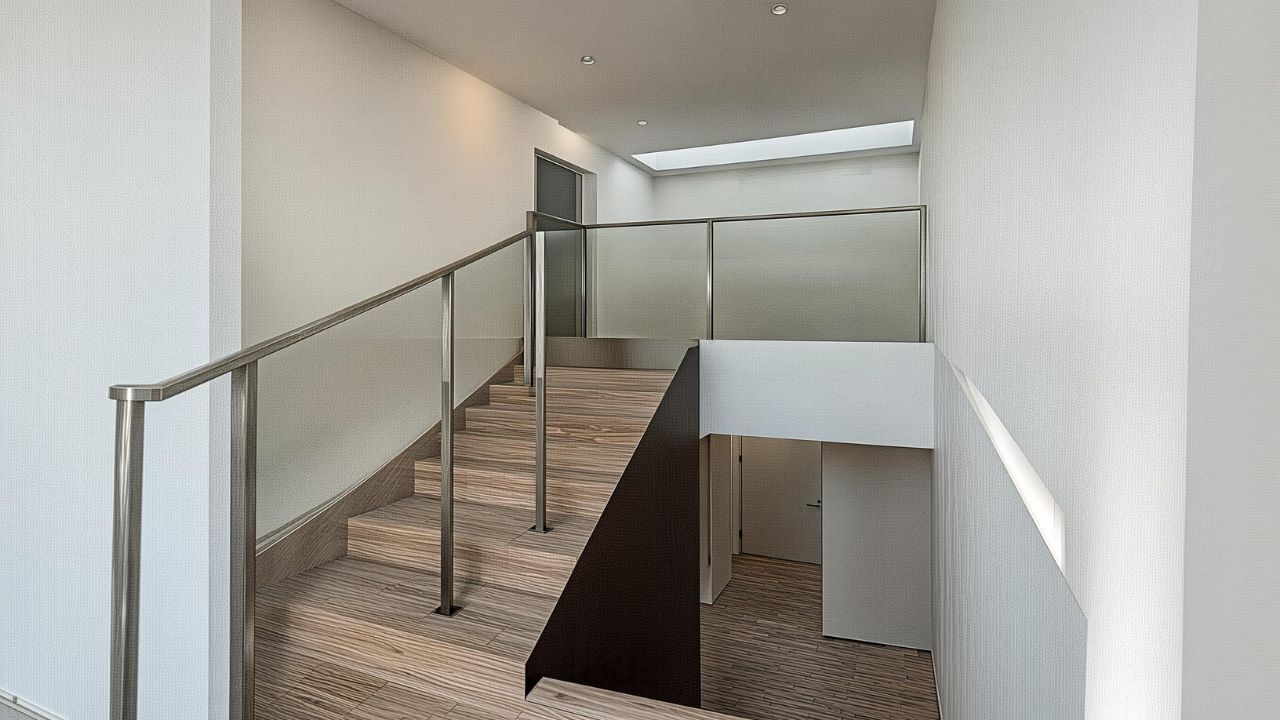
A staircase can quietly decide how your whole home feels. Add the right modern stair railing, and a dull pass-through suddenly becomes a clean architectural moment.
Most people notice flooring, paint, furniture, or lighting first. Yet the railing is one of the first things your eyes follow when you enter a split-level home, townhouse, loft, duplex, or open-plan living space.
The best part is that a railing upgrade does not always require a full staircase rebuild. Sometimes, changing the handrail profile, baluster spacing, finish, or material mix is enough to make the home feel calmer, newer, and more intentional.
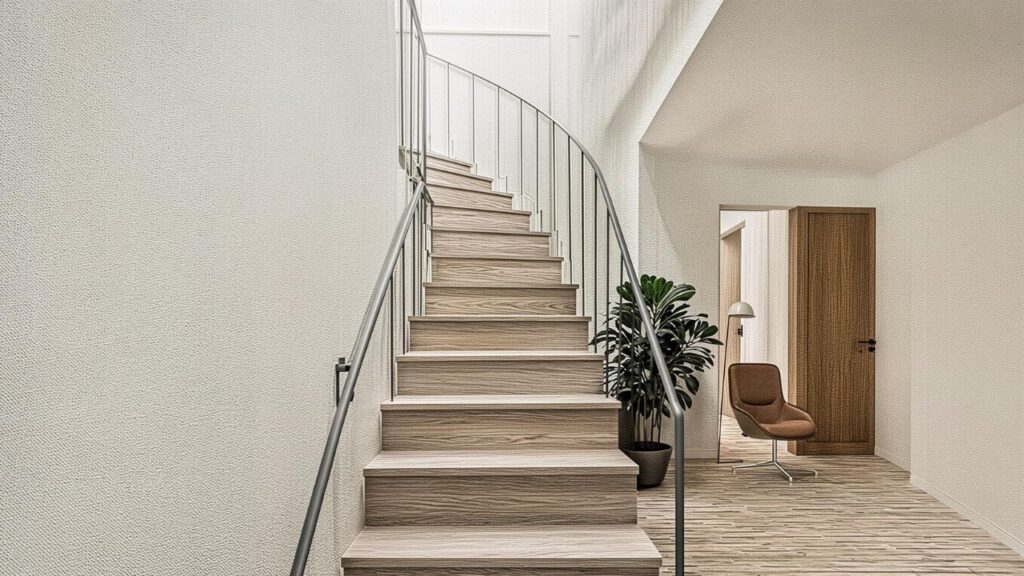
This guide walks through styles, materials, safety points, costs, design mistakes, and practical choices. It is written for homeowners who want beauty, but also want something solid, safe, and realistic.
Table of Contents
- How Stair Railings Change a Space
- What Makes a Stair Railing Modern?
- Best Materials for Interior Stair Railings
- Railing Ideas by Home Style
- Safety, Code, and Comfort Basics
- Cost Factors and Budget Planning
- How to Choose the Right Railing for Your Home
- Common Mistakes to Avoid
- Maintenance and Long-Term Care
- FAQs
- Conclusion
How a Modern Stair Railing Changes a Space
A staircase is not just a way to move between floors. It is a visual line that cuts through the home, connects rooms, and shapes the feeling of height. That is why changing a railing can make a bigger difference than people expect.
A heavy old railing can make a hallway feel cramped. A glossy brass rail in the wrong room can feel loud. Thick turned wood spindles can look charming in a traditional house, but dated in a simple contemporary space. On the other hand, slim metal, glass panels, oak, walnut, or cable lines can make the same stairway feel open and balanced.
Interior design trends also move toward homes that feel personal, layered, and comfortable rather than cold. Houzz noted that home colors, materials, and styles keep shifting with the way people live, and recent design interest includes warmer woods, deeper tones, collected details, and natural surfaces. That matters because today’s railing choices are not limited to plain steel or builder-grade wood anymore.
For example, imagine a small entry with beige walls, honey-colored floors, and a bulky oak railing from the early 2000s. If you paint the rail matte black, replace thick balusters with slender square metal rods, and add warm LED lighting under the stair nosing, the space feels sharper without losing warmth. That is the power of a modern stair railing when it is chosen with care.
The emotional side matters too. Stairs are used daily by children, parents, guests, and older family members. A railing should feel secure in the hand. It should not wobble, snag clothes, or create fear on open stairs. Good design gives you both style and relief.
USA Décor Idea is your destination for creative home styling inspiration, modern interior trends, and unique decoration ideas that help make every living space stylish, comfortable, and beautifully designed. Cute Homes Decor shares cozy room inspiration, charming decorative styles, and beautiful home décor ideas perfect for creating a warm and inviting atmosphere. Decrative offers elegant decorative inspiration, creative interior styling concepts, and modern décor ideas designed to enhance the beauty and comfort of your home naturally.
What Makes a Stair Railing Modern?
A modern railing is usually simple, clean, and intentional. It avoids visual clutter. It often uses straight lines, open spacing, quiet finishes, and materials that match the architecture of the home.
That does not mean it has to look cold. In reality, the most beautiful modern interiors often mix warmth and structure. A black steel frame with a white oak handrail can feel crisp but friendly. A glass railing beside walnut stairs can feel airy but still rich. Cable railing can look relaxed in a coastal home and sharp in an industrial loft.
A modern stair railing is less about copying a trend and more about removing anything that feels unnecessary. The design should support the staircase, not fight it.
Clear Lines
Straight vertical balusters, horizontal metal bars, glass panels, and thin cable systems all create strong visual lines. These lines guide the eye upward and make the staircase feel more architectural.
Open Views
Older stair railings often block light. Modern designs usually aim to keep the stairwell open. Glass, cable, and slim metal spindles are popular because they allow more light to pass through.
Honest Materials
Wood should look like wood. Metal should look clean and strong. Glass should feel transparent and polished. Modern design rarely needs fake finishes or heavy ornamentation.
Balanced Contrast
The most attractive staircases often use contrast. Think black metal against white walls, oak against pale stone, or brushed steel beside dark-stained treads. Contrast helps the railing stand out without becoming messy.
Best Materials for Interior Stair Railings
Choosing material is one of the biggest decisions in a railing project. It affects style, safety, maintenance, cost, and how the stairway feels in daily use.
Metal Railings
Metal is one of the most flexible choices. Steel, wrought iron, aluminum, and stainless steel can all work, depending on the home.
Black powder-coated steel is especially popular because it looks clean, resists visual clutter, and pairs well with wood floors, white walls, and natural stone. Stainless steel feels more polished and works nicely in high-end contemporary homes. Aluminum is lighter and can be useful where weight matters.
Metal works well for:
- Minimalist homes
- Industrial interiors
- Townhouses
- Loft spaces
- Transitional homes with mixed materials
The main concern is finish quality. Cheap paint can chip, and poorly welded joints can look rough. Ask for smooth seams, durable coating, and a finish sample before approving the project.
Wood Railings
Wood brings warmth. That is why it remains loved even in very modern spaces. White oak, red oak, ash, maple, walnut, and beech can all create a refined stair detail.
A wooden handrail can soften a metal system. It also feels pleasant to grip, especially in homes where the railing is used many times a day. Light oak gives a Scandinavian feel. Walnut feels richer and moodier. Painted wood can work when the rest of the trim is painted too.
Wood works well for:
- Warm modern homes
- Farmhouse-modern interiors
- Scandinavian rooms
- Family homes
- Renovations where the stairs already have wood treads
The risk with wood is bulk. Oversized posts or thick profiles can make the design look dated. For a modern look, choose a slimmer handrail profile and keep details clean.
Glass Railings
Glass is a strong visual choice when you want openness. It can make tight stairwells look larger and allow light to travel across floors. This is useful in narrow homes, modern villas, and entryways with large windows.
Glass panels usually come in framed, semi-frameless, or frameless systems. Frameless glass looks the cleanest, but it often costs more and requires careful installation.
Glass works well for:
- Open-plan homes
- Luxury interiors
- Floating stairs
- Homes with views
- Small spaces needing more light
The downside is cleaning. Fingerprints, dust, and smudges show quickly, especially with kids or pets. If you love a spotless look, glass can be gorgeous. If daily marks annoy you, use it only where it makes the biggest visual impact.
Cable Railings
Cable railing uses tensioned stainless steel cables between posts. It has a slim, open look and is common in coastal, mountain, and contemporary homes.
A cable system can make the stairway feel light without going fully transparent like glass. It also pairs well with wood posts or black metal frames.
Cable works well for:
- Casual modern homes
- Coastal interiors
- Open stairwells
- Homes with high ceilings
- Wood-and-metal combinations
The installation must be tight and accurate. Loose cables look poor and may not meet local safety expectations. In homes with small children, always discuss opening limits and local rules before choosing horizontal cable.
Mixed-Material Railings
Some of the best modern designs use more than one material. A black steel frame with an oak cap rail is a classic example. Glass with wood treads can feel light but warm. Cable with timber posts can feel relaxed and architectural.
Mixed systems are useful because they let you balance mood. If a space feels too cold, add wood. If it feels too heavy, use glass or cable. If it feels too plain, add black metal lines.
| Material | Best Look | Maintenance Level | Common Concern |
|---|---|---|---|
| Black steel | Clean, bold, architectural | Low to medium | Paint chips if coating is weak |
| White oak | Warm, natural, soft modern | Medium | Can look bulky with thick profiles |
| Glass | Open, bright, luxury | High | Fingerprints and higher installation cost |
| Cable | Airy, relaxed, contemporary | Medium | Tension and spacing must be correct |
| Stainless steel | Sleek, polished, durable | Medium | Can feel cold in warm homes |
Railing Ideas by Home Style
The right railing should match the home, not just the Pinterest board. A railing that looks amazing in a glass-walled villa may feel strange in a cozy family house. Start with the architecture you already have.
Minimalist Homes
For minimalist homes, less is better. Choose frameless glass, slim black metal, or a simple wood handrail with hidden brackets. Keep posts narrow. Avoid decorative scrolls, heavy caps, and too many material changes.
A clean modern stair railing in this style should almost disappear. It supports the space while letting light, wall texture, and stair shape do the talking.
Scandinavian-Inspired Homes
Scandinavian spaces feel bright, calm, and natural. Light wood is the easiest fit. Choose white oak or ash with white walls, pale floors, and soft neutral decor. Thin vertical balusters in white or black can add rhythm without making the space feel crowded.
A soft woven runner on the stairs can add comfort, especially if the home has children or older family members.
Industrial Lofts
Industrial homes can handle stronger lines. Black steel, exposed bolts, mesh panels, and squared handrails can look excellent. The trick is restraint. Too much raw metal can feel harsh, especially in small rooms.
Pair industrial railings with warm brick, old timber, leather, or soft lighting. This keeps the space from feeling like a workshop.
Transitional Homes
Transitional design sits between classic and contemporary. This is where many homeowners land during renovation. You may have traditional trim, wood floors, and a modern sofa. In that case, choose a railing that bridges both worlds.
A black metal baluster system with a stained wood handrail works beautifully. It feels updated without looking out of place.
Luxury Contemporary Homes
For a higher-end feel, consider glass, floating stair details, continuous handrails, hidden fixings, or custom metalwork. Luxury is not always about shine. Often, it is about precision.
Look for even spacing, smooth corners, perfect alignment, and finishes that match nearby hardware. A railing beside a marble foyer, large pendant light, or double-height window should feel quiet but confident.
Farmhouse-Modern Homes
Farmhouse-modern spaces need warmth first. Black metal with oak or walnut is usually a safe direction. Avoid overly ornate ironwork. Instead, use simple square spindles, shiplap walls, natural wood treads, and a handrail that feels comfortable.
This style works best when the railing looks practical, not precious.
Safety, Code, and Comfort Basics
A railing can look stunning and still fail if it is not safe. This is where design has to slow down and respect the rules.
In the U.S., many residential projects refer to the International Residential Code, which covers minimum requirements for one- and two-family dwellings and townhouses. Local jurisdictions can adopt, amend, or interpret code differently, so always confirm with your local building department or licensed contractor before ordering custom work.
Common residential guidance places stair handrail height between 34 and 38 inches above the stair nosing, while guard and opening rules may also apply depending on the stair layout. Treat these numbers as a planning starting point, not a final approval.
Handrail Height
If the handrail is too low, it feels awkward. If it is too high, it becomes hard to grip during a fall. Proper height helps children, adults, and guests use the stairs with more confidence.
Grip Shape
A handrail should be easy to hold. Very wide rectangular rails may look sleek but can be uncomfortable or unsafe if the hand cannot wrap around them well. Rounded edges, oval profiles, and well-sized wood caps usually feel better.
Spacing
Openings between balusters, cables, or panels must be planned carefully. This is especially important in homes with children. Even if a design looks beautiful online, it may not be suitable for your local rules.
Strength
Posts should not wobble. Glass should be rated and properly supported. Cable should be tensioned correctly. Metal welds should be clean. A staircase is used every day, so weak installation is not worth the risk.
Lighting
Safety is not only about the railing. Stair lighting matters too. Wall sconces, recessed step lights, pendant lights, and LED strips can reduce trips while improving mood.
Cost Factors and Budget Planning
There is no single price for a railing because every staircase is different. A straight run with standard posts costs less than a curved stair, floating stair, or glass system with custom fittings.
Cost usually depends on:
- Material type
- Stair length
- Number of landings
- Shape of the staircase
- Removal of old railing
- Custom fabrication
- Finish quality
- Local labor rates
- Code requirements
- Wall, tread, or floor repairs
A simple painted wood update may be manageable for a smaller budget. A custom glass or metal system can become a major investment. The National Association of REALTORS® notes that remodeling decisions are often judged by cost recovery, buyer appeal, and homeowner satisfaction, so railing upgrades should be planned as both a lifestyle choice and a resale-related improvement.
Budget-Friendly Updates
If the structure is still safe, you may not need to replace everything. Consider painting the existing handrail, swapping old balusters, refinishing posts, or adding better lighting.
Budget-friendly ideas include:
- Paint oak rails matte black or warm white
- Replace turned spindles with square balusters
- Refinish worn wood treads
- Add a simple wood cap rail
- Use wall-mounted handrails on closed staircases
- Improve stair lighting before replacing the full system
Mid-Range Options
Mid-range projects often include new balusters, posts, handrails, and professional installation. This is where many homeowners get the best balance between cost and visual change.
A mid-range modern stair railing may use black metal balusters with a stained wood handrail, or simple steel posts with horizontal rails.
High-End Options
High-end projects include frameless glass, floating stair systems, curved rails, custom metal fabrication, integrated lighting, and premium hardwoods.
These projects need careful planning. Small mistakes in measurement, glass ordering, or post placement can become expensive quickly.
| Project Type | Typical Scope | Best For |
|---|---|---|
| Light refresh | Paint, stain, minor hardware changes | Older railing that is still safe |
| Partial replacement | New balusters or handrail | Fast visual update |
| Full replacement | New posts, rails, balusters, finish | Major staircase makeover |
| Custom system | Glass, cable, floating, curved, or fabricated metal | Luxury or architectural homes |
How to Choose the Right Railing for Your Home
The easiest mistake is choosing a railing in isolation. A railing is connected to floors, walls, trim, doors, furniture, lighting, and even window frames. Before you pick a style, look around the home.
Start with the Stair Shape
A straight staircase can handle almost any railing. An L-shaped or U-shaped stair needs more planning around landings and turns. Curved stairs need custom work because standard straight components rarely fit well.
Floating stairs often look best with glass, cable, or very slim metal. Closed staircases may only need a wall-mounted handrail and a refreshed newel post.
Match Nearby Finishes
Look at door handles, light fixtures, cabinet pulls, window frames, and furniture legs. If those details are black, a black railing may tie everything together. If the home has brass accents, a warm wood rail may feel softer than black metal.
You do not need every finish to match perfectly. Still, there should be a visual conversation between them.
Think About Light
Dark railings create drama, but they can make a narrow stairwell feel tighter. Glass and slim metal allow more light to pass. Wood adds warmth but may look heavy if the profile is large.
If your entry is already dark, avoid thick posts and dark panels. Use light wood, glass, or open balusters instead.
Consider Daily Life
A showroom photo does not show fingerprints, backpacks, pets, toys, or muddy hands. Be honest about how your home works.
Families with young children may prefer vertical balusters over horizontal lines. Busy homes may prefer metal or wood over large glass panels. Older adults may need a handrail shape that feels more comfortable than a sharply squared profile.
Choose a Style That Will Age Well
Trendy details can be fun, but permanent architectural pieces should not feel tired in two years. A modern stair railing with simple proportions, quality materials, and calm finishes will usually age better than something overly dramatic.
Common Mistakes to Avoid
A railing mistake is painful because it is visible every day. It can also be expensive to fix. Before signing off on a design, watch for these common problems.
Choosing Looks Over Safety
A beautiful railing is not enough. It must be strong, properly mounted, and easy to grip. If a design feels unsafe in person, trust that feeling.
Ignoring Local Rules
Photos online may come from different countries, older homes, or non-code spaces. Always check local code before copying a design.
Using Too Many Materials
Wood, glass, black metal, brass, marble, and cable all in one stairway can become chaotic. Choose one main material and one supporting material when possible.
Making the Handrail Too Thick
A thick handrail can make even a new design feel dated. Slimmer profiles usually look cleaner and feel more modern.
Forgetting the Wall Color
Railings do not exist alone. A black railing against a dark wall may disappear. A pale wood railing against a yellow wall may look mismatched. Test samples in the real space.
Poor Alignment
Uneven baluster spacing, crooked posts, or a handrail that changes height awkwardly can ruin the look. Modern design depends on precision.
Not Planning for Cleaning
Glass looks incredible when clean. It looks tired when covered in fingerprints. Cable systems need periodic tension checks. Wood may need refinishing. Pick a railing you can live with, not just admire.
Maintenance and Long-Term Care
A railing is touched every day, so maintenance matters. The goal is not to baby it. The goal is to choose the right finish and care for it in a simple routine.
Metal Care
Powder-coated metal can usually be wiped with a soft cloth and mild soap. Avoid abrasive pads because they can dull the finish. If you see chips, touch them up early to prevent rust on steel.
Wood Care
Dust wood rails often and clean them with a gentle wood-safe cleaner. Avoid soaking the wood. If the finish wears down in high-touch areas, light sanding and a fresh clear coat can bring it back.
Glass Care
Use a glass cleaner and microfiber cloth. Clean both sides of the panel. In sunny homes, smudges show more, so keep a cloth nearby if the staircase is a focal point.
Cable Care
Check cable tension from time to time. If a cable feels loose, call the installer or follow manufacturer guidance. Do not ignore movement, especially on stair runs.
Hardware Checks
Once or twice a year, gently test the railing for movement. Tighten visible fasteners if allowed by the system. If posts move, call a professional. A loose railing should never be treated as a small cosmetic issue.
FAQs
What is the most popular modern stair railing material?
Black metal with a wood handrail is one of the most popular choices because it feels clean, warm, and flexible. Glass is also popular in luxury homes, while cable works well in open and coastal-inspired spaces.
Is glass railing safe for stairs?
Yes, glass can be safe when the panels are properly rated, measured, and installed by qualified professionals. The glass type, thickness, support system, and local code rules matter a lot.
Does a modern stair railing increase home value?
It can improve buyer appeal, especially when the old railing makes the home look dated. The exact return depends on the home, market, installation quality, and whether the update matches the rest of the interior.
What color railing looks best in a modern home?
Matte black is the most common choice because it adds contrast and works with many interiors. White, natural wood, brushed steel, and dark bronze can also look beautiful when they match nearby finishes.
Are horizontal railings a good idea?
Horizontal railings look sleek, but they are not right for every home. In homes with small children, some people avoid them because they may appear climbable. Local rules may also affect the design.
How do I make an old stair railing look modern?
Start with paint or stain, then replace dated balusters if needed. A slimmer handrail, black metal spindles, refinished treads, and better lighting can make a big difference.
What is the best railing for a small staircase?
Glass, cable, or slim vertical metal balusters are good choices because they keep the view open. Avoid thick posts and heavy dark panels in narrow spaces.
Should the railing match the floor?
It does not have to match exactly. It should coordinate. For example, a white oak handrail can pair with light oak floors, while black balusters can connect with black door hardware or lighting.
How long does a railing replacement take?
A simple replacement may take a few days once materials are ready. Custom glass, metal fabrication, curved stairs, or major repairs can take longer because measuring and ordering must be precise.
Can I install stair railing myself?
Some simple wall-mounted handrails are DIY-friendly for skilled homeowners. Full stair railing systems are better handled by professionals because safety, structure, measurements, and code compliance are involved.
Conclusion
A staircase should feel safe, natural, and beautiful every time you use it. The right modern stair railing can open up a dark entry, sharpen an outdated hallway, and make the whole home feel more considered.
Start with the space you already have. Look at the light, stair shape, floor tone, wall color, and daily family needs. Then choose materials that support that life instead of fighting it.
For many homes, the winning choice is not the flashiest option. It is the railing that feels steady in the hand, easy on the eyes, and quietly connected to everything around it. When style and comfort meet, the staircase stops being just a path between floors. It becomes part of the home’s personality.