Introduction
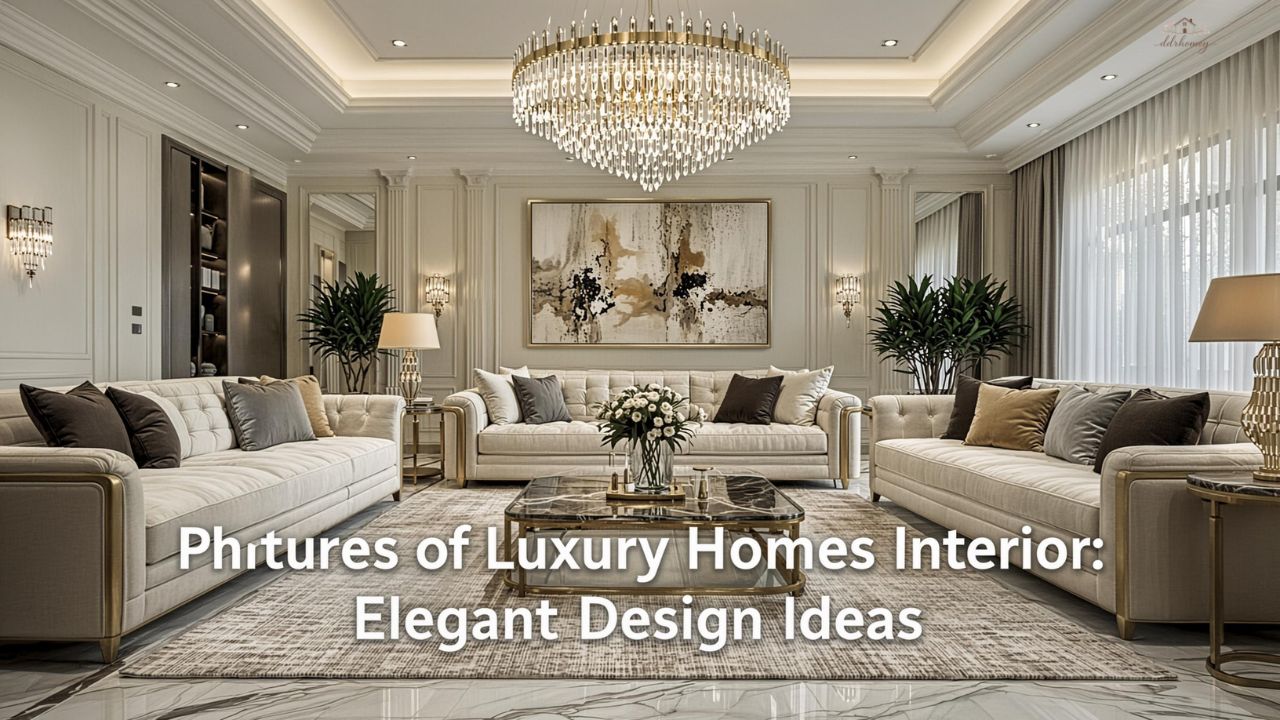
Some homes look expensive. Others feel expensive the moment you see them. That is the real magic behind pictures of luxury homes interior: they show how light, space, texture, furniture, and tiny details can work together to create a home that feels calm, rich, and deeply personal.
Looking at luxury interiors is not only about admiring marble floors or designer sofas. It helps you understand what makes a room feel polished, balanced, comfortable, and memorable. A good photo can teach you where to place lighting, how to mix materials, how much furniture is enough, and why some rooms feel effortlessly beautiful.
In reality, luxury is no longer only about showing wealth. ASID’s 2025 Trends Outlook preview notes that design is moving toward well-being, sustainability, individuality, personal narratives, artisanal craft, and timeless elegance rather than excess alone.
This guide will help you read luxury interior photos like a designer, not just scroll past them. You will learn what to notice in living rooms, kitchens, bedrooms, bathrooms, entryways, materials, colors, lighting, and styling so you can use the inspiration in a real home.
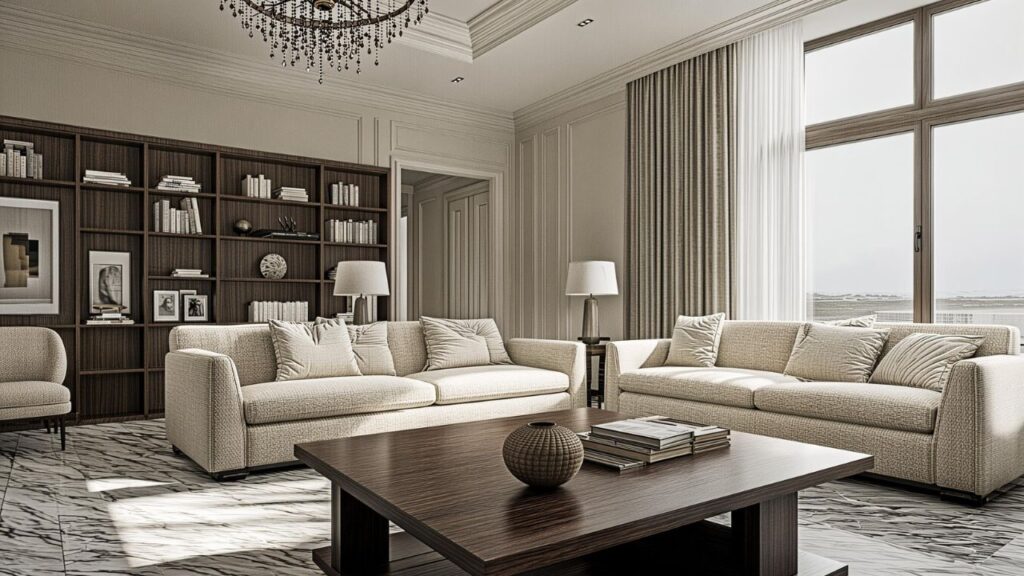
Table of Contents
- Why Luxury Interior Photos Are So Useful
- How to Study Pictures of Luxury Homes Interior
- Best Pictures of Luxury Homes Interior by Room
- Luxury Materials, Colors, and Textures
- Lighting Ideas That Make Interiors Feel Expensive
- Furniture, Art, Decor, and Styling Details
- Modern, Classic, Minimal, and Warm Luxury Styles
- Mistakes to Avoid When Copying Luxury Interiors
- Personal Style and Financial Insight
- FAQ
- Conclusion
Why Luxury Interior Photos Are So Useful
Luxury interior photos give you visual proof of what works. They show scale, balance, contrast, spacing, and mood in a way that plain advice cannot. You can read ten design tips about warm lighting, but one beautiful room photo can make the idea click instantly.
Photos also help homeowners communicate. If you are working with a designer, builder, remodeler, or decorator, saved images can explain your taste faster than words. “Modern but warm,” “classic but not old-fashioned,” or “minimal but not cold” can mean different things to different people. A photo makes the direction clearer.
There is a real estate angle too. NAR’s 2025 Profile of Home Staging found that 83% of buyers’ agents said staging made it easier for buyers to visualize a property as a future home, and 73% said photos were among the most important visual elements for buyers.
That tells us something useful: interiors are emotional. People respond to rooms that feel complete, balanced, and livable. Luxury home photos are powerful because they help people imagine a better version of everyday life.
How to Study Pictures of Luxury Homes Interior
When you look at pictures of luxury homes interior, do not start with the most obvious item. A chandelier or marble wall may catch your eye first, but the deeper design choices are usually quieter.
Start by asking: what makes this room feel calm, spacious, or expensive? Is it the symmetry? The natural light? The large rug? The uncluttered surfaces? The wood tone? The way every metal finish repeats?
Notice the Layout First
Luxury rooms usually have breathing space. Furniture is not pushed awkwardly into every corner. Walkways feel open. Seating has a clear conversation zone. Tables are placed where people can actually reach them.
A living room may have a large sectional, two accent chairs, a low coffee table, and a pair of lamps. Nothing feels random. Even when the room looks relaxed, the layout is carefully planned.
Look at Scale
Scale is one of the biggest differences between ordinary and high-end interiors. Luxury rooms often use fewer pieces, but each piece has the right size.
A tiny rug under a large sofa looks unfinished. Small art above a wide fireplace feels weak. Short curtains in a tall room break the elegance. Luxury design usually respects the size of the room.
Study the Repetition
Great interiors repeat materials and colors gently. For example, warm brass may appear in the light fixture, cabinet handles, mirror frame, and table legs. A soft taupe may repeat in the rug, curtains, and pillows.
This repetition makes the room feel connected without looking overly matched.
Best Pictures of Luxury Homes Interior by Room
The best pictures of luxury homes interior often focus on rooms where design has the strongest emotional effect: living rooms, kitchens, bedrooms, bathrooms, dining rooms, and entryways.
Each room has its own job. A luxury kitchen should feel beautiful but useful. A bedroom should feel soft and private. A bathroom should feel clean, calm, and spa-like. A living room should feel comfortable enough for real people, not only impressive for a camera.
Luxury Living Rooms
A luxury living room usually has a clear focal point. That may be a fireplace, large window, art wall, sculptural light, media wall, or beautiful view.
Common features include:
- Large area rugs
- Oversized sofas
- Custom built-ins
- Statement lighting
- Natural stone
- Layered curtains
- Accent chairs
- Sculptural coffee tables
- Warm wood tones
- Carefully placed art
The room should feel rich, not crowded. A luxury living room is often built around comfort first, then polished with texture and lighting.
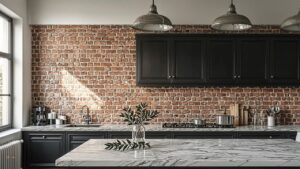
Luxury Kitchens
Luxury kitchens are not only about expensive appliances. They are about flow, storage, surfaces, lighting, and quiet details.
The NKBA 2026 Kitchen Trends Report notes that homeowners place strong importance on natural lighting, quality lighting, and task lighting, with natural lighting at 95%, quality lighting at 93%, and task lighting at 92%.
That explains why many luxury kitchen photos feel bright and layered. You may see pendant lights over an island, under-cabinet lighting, hidden pantry lighting, and soft ceiling lights working together.
Popular luxury kitchen features include:
- Large islands
- Marble or quartzite-style countertops
- Integrated appliances
- Panel-ready refrigerators
- Walk-in pantries
- Custom cabinetry
- Statement range hoods
- Warm wood cabinets
- Stone backsplashes
- Hidden storage
Luxury Bedrooms
A luxury bedroom should feel restful before it feels dramatic. The best designs often use soft bedding, layered lighting, calm colors, and fewer distractions.
Look for:
- Upholstered headboards
- Bedside pendants or sconces
- Large rugs under the bed
- Linen or velvet textures
- Built-in wardrobes
- Seating corners
- Blackout curtains
- Soft wall colors
- Symmetrical nightstands
A bedroom does not need heavy gold accents or glossy furniture to feel luxurious. Often, the quiet details make it feel more expensive.
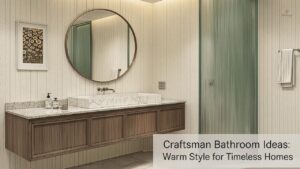
Luxury Bathrooms
Luxury bathrooms now often feel like personal wellness spaces. NKBA’s 2026 Bath Trends Report says bath footprints are increasing to make room for wellness-centered spaces, universal design considerations, and efficient storage, with space allocation in the primary bath described as a top priority by 89% of respondents.
In photos, this may show up as large showers, soaking tubs, heated floors, double vanities, stone walls, hidden niches, soft lighting, and calm materials.
Common luxury bathroom elements include:
- Walk-in showers
- Freestanding tubs
- Floating vanities
- Backlit mirrors
- Natural stone
- Large-format tile
- Brass or polished nickel fixtures
- Built-in linen storage
- Heated towel rails
- Soft neutral palettes
Luxury Dining Rooms
Dining rooms are returning as more intentional spaces. In luxury homes, they often feel intimate, layered, and a little dramatic.
A strong dining room photo may include:
- A large dining table
- Sculptural chandelier
- Wall paneling
- Upholstered chairs
- Art or mirror wall
- Custom rug
- Soft curtains
- Built-in bar or cabinet
Lighting matters a lot here. A dining room should glow, not glare.
Luxury Entryways
The entryway sets the mood for the whole home. Luxury entry photos often show high ceilings, large mirrors, console tables, stone floors, staircases, art, and statement lighting.
A good entryway feels clean and confident. It gives guests a quiet promise that the rest of the home has been thoughtfully designed.
Luxury Materials, Colors, and Textures
Luxury interiors are often built around materials that feel good up close. A room may look simple from far away, but the texture is what makes it special.
Natural Stone
Marble, limestone, travertine, quartzite, granite, and soapstone all bring depth. Stone can appear on fireplaces, counters, floors, bathrooms, coffee tables, and feature walls.
The trick is restraint. Too much strong stone can feel loud. One beautiful stone moment can feel refined.
Wood
Wood warms up luxury interiors. White oak, walnut, ash, and dark-stained wood are common in high-end spaces.
Wood may appear as:
- Flooring
- Ceiling beams
- Wall panels
- Cabinetry
- Furniture
- Built-ins
- Doors
- Vanities
Metal Finishes
Metal adds polish. Brass feels warm. Nickel feels classic. Chrome feels crisp. Bronze feels rich. Matte black feels modern.
A luxury room usually does not mix metals randomly. It repeats finishes with purpose.
Fabric and Texture
Texture keeps luxury interiors from feeling flat. Velvet, linen, wool, bouclé, leather, silk, mohair, and woven fibers all add comfort.
A neutral room can still feel rich if it has enough texture.
Color Palettes
Many luxury interiors use calm base colors, then add contrast through stone, wood, art, or accent furniture.
Popular palettes include:
| Palette Style | Colors | Best For |
|---|---|---|
| Warm neutral | Cream, beige, taupe, oak, brass | Calm modern homes |
| Moody luxury | Charcoal, walnut, black, bronze | Media rooms and lounges |
| Soft classic | Ivory, pale gray, nickel, marble | Traditional interiors |
| Organic modern | Stone, clay, linen, olive, wood | Relaxed high-end homes |
| Hotel-inspired | White, black, gold, deep brown | Formal living spaces |
| Warmth is important. A luxury room can use white, but it should not feel sterile. |
Lighting Ideas That Make Interiors Feel Expensive
Lighting is one of the fastest ways to understand whether a room is truly well designed. Expensive furniture cannot save a room with harsh lighting.
Luxury interiors usually use layers.
Ambient Lighting
This is the general light in the room. It may come from recessed lights, ceiling fixtures, cove lighting, or large windows.
Task Lighting
Task lighting helps with specific activities. In kitchens, it may be under-cabinet lighting. In bedrooms, it may be bedside sconces. In offices, it may be a desk lamp.
Accent Lighting
Accent lighting creates mood. It may highlight art, shelves, stone walls, ceiling details, or plants.
Decorative Lighting
This includes chandeliers, pendants, sculptural lamps, and wall sconces. In luxury interiors, lighting often acts like jewelry.
When browsing pictures of luxury homes interior, pay attention to glow. Do you see soft pools of light? Are shelves lit? Is the ceiling layered? Are lamps used instead of only overhead lights? Those clues matter.
Furniture, Art, Decor, and Styling Details
Luxury furniture usually feels intentional. It may be custom, vintage, designer, handmade, or simply well chosen. The point is not always the brand. The point is proportion, comfort, material, and placement.
Furniture Placement
Luxury rooms avoid the “showroom wall push,” where every item sits against a wall. Sofas and chairs are often pulled inward to create a gathering zone.
Rugs
A large rug makes a room feel grounded. In most living rooms, at least the front legs of sofas and chairs should sit on the rug. In bedrooms, the rug should extend beyond the bed.
Art
Art gives luxury homes character. It may be oversized abstract art, black-and-white photography, sculpture, framed textiles, or a gallery wall.
The best art feels personal rather than generic.
Decor
Luxury styling is edited. Instead of filling every surface, designers leave room for the eye to rest.
Good decor choices include:
- Coffee table books
- Ceramic bowls
- Fresh branches
- Sculptural objects
- Trays
- Candles
- Stone vessels
- Handmade pottery
- Large plants
- Minimal framed photos
Modern, Classic, Minimal, and Warm Luxury Styles
Luxury does not mean one single look. A luxury home can be sleek, traditional, cozy, colorful, rustic, or minimal.
Modern Luxury
Modern luxury uses clean lines, large windows, smooth stone, hidden storage, simple furniture, and sculptural lighting.
It works best when softened with wood, fabric, rugs, and warm light.
Classic Luxury
Classic luxury uses symmetry, molding, chandeliers, marble, antiques, and graceful furniture. It feels timeless when colors and patterns are controlled.
Minimal Luxury
Minimal luxury is quiet and refined. It depends on perfect proportions, quality materials, and almost no clutter.
This style looks easy but is difficult to do well because every detail becomes visible.
Warm Luxury
Warm luxury is one of the most livable styles. It uses natural textures, earthy tones, comfortable furniture, layered lighting, and soft finishes.
It feels expensive without feeling stiff.
Resort-Inspired Luxury
This style borrows from hotels and private villas. Think indoor-outdoor flow, stone floors, soft seating, spa bathrooms, large plants, and calm colors.
![Image 3: Luxury bedroom interior with upholstered bed, layered bedding, warm wall lights, neutral curtains, textured rug, and soft seating corner]
How to Use Luxury Interior Photos for Your Own Home
You do not need a mansion to learn from high-end interiors. The smartest move is to copy the design principle, not the exact product.
For example:
| Luxury Photo Detail | Budget-Friendly Lesson |
|---|---|
| Huge marble fireplace | Add one stone-look focal wall or mantel |
| Custom built-ins | Use simple shelves painted to match the wall |
| Designer chandelier | Choose one sculptural light fixture |
| Large art | Use oversized framed prints or canvas |
| Layered curtains | Hang curtains high and wide |
| Expensive rug | Buy the right size before buying more decor |
| Calm neutral palette | Use fewer colors with better texture |
| Hotel-style bedroom | Add layered bedding and warm bedside lights |
| If you love pictures of luxury homes interior, save them in categories. Create folders for kitchens, living rooms, bedrooms, bathrooms, lighting, color palettes, and materials. Over time, patterns will appear. You may notice you always save warm wood, curved sofas, soft stone, black windows, or linen curtains. | |
| That pattern is your real taste. |
Mistakes to Avoid When Copying Luxury Interiors
Luxury photos can inspire you, but copying them blindly can create problems.
Mistake 1: Choosing Looks Over Comfort
A chair may photograph beautifully but feel terrible to sit in. A white sofa may look dreamy but stress you out if you have kids, pets, or frequent guests.
Mistake 2: Ignoring Scale
Many luxury homes have tall ceilings and wide rooms. A giant chandelier or oversized sofa may not work in a smaller home.
Mistake 3: Buying Too Many Statement Pieces
If everything shouts, nothing feels special. Choose one or two strong moments per room.
Mistake 4: Forgetting Lighting
A room copied from a photo may fall flat if the lighting is wrong. Always plan lamps, sconces, dimmers, and warm bulbs.
Mistake 5: Using Cheap Versions of Every Luxury Material
Not every imitation works. Sometimes it is better to use a simple honest material than a poor copy of marble, brass, or wood.
Mistake 6: Over-Styling
Luxury rooms often look calm because they are edited. Too many pillows, trays, candles, and objects can make the room feel busy.
Personal Style and Financial Insight
There is no personal background or net worth angle that applies directly to this topic. The useful financial insight is about value, taste, and smart spending.
Luxury interior inspiration can help you avoid waste. Instead of buying random decor piece by piece, you can study photos and build a clear direction. That saves money because you stop buying things that do not belong together.
Spend more on items that affect the whole room:
- Lighting
- Rugs
- Sofas
- Flooring
- Built-ins
- Window treatments
- Stone or tile moments
- Quality paint
- Comfortable beds
- Dining tables
Spend less on trend items: - Small decor
- Pillows
- Vases
- Seasonal pieces
- Accent colors
- Small side tables
- Decorative trays
A luxury home is not created by one expensive object. It is created by consistency, comfort, scale, lighting, and thoughtful restraint.
FAQ
Where can I find pictures of luxury homes interior?
You can find inspiration on design magazines, builder portfolios, interior designer websites, real estate listings, Pinterest, Instagram, and home design apps. Houzz says its app lets users browse more than 25 million high-resolution home interior and exterior photos by style, room, or location.
What should I look for in luxury interior photos?
Look at layout, scale, lighting, materials, furniture placement, rug size, art, color palette, and texture. These details teach more than simply noticing expensive decor.
What makes a home interior look luxurious?
A home feels luxurious when it has good lighting, balanced proportions, quality materials, comfortable furniture, clean styling, and a clear design direction.
Are luxury interiors always expensive?
Not always. Some elements cost more, but many luxury principles are about planning: better scale, fewer objects, warmer lighting, larger rugs, and cleaner layouts.
What rooms matter most in luxury home photos?
Living rooms, kitchens, primary bedrooms, bathrooms, dining rooms, and entryways usually have the strongest visual impact.
What colors are best for luxury interiors?
Warm neutrals, soft whites, taupe, charcoal, walnut, cream, olive, clay, navy, and deep brown can all look luxurious when paired with the right materials.
How do I make a small home feel luxurious?
Use fewer pieces, larger rugs, layered lighting, warm colors, good curtains, quality hardware, mirrors, and hidden storage. Keep the room calm and uncluttered.
What is quiet luxury in interior design?
Quiet luxury focuses on quality, comfort, subtle materials, and timeless details instead of loud logos, excessive shine, or overly dramatic styling.
Should I copy luxury home photos exactly?
No. Use them as guidance. Copy the idea behind the design, such as lighting, proportion, texture, or color harmony, rather than duplicating every item.
How many inspiration photos should I save before designing?
Save enough to see patterns. Around 15 to 30 strong images can help you understand your taste without becoming overwhelmed.
Conclusion
Pictures of luxury homes interior are more than beautiful images. They are design lessons hiding in plain sight. They show how rooms become elegant through layout, light, scale, material, texture, and restraint.
Start by studying what you love, not just what looks expensive. Notice the repeated colors, the lighting choices, the furniture sizes, and the quiet details. Once you understand those patterns, it becomes much easier to bring a refined, high-end feeling into your own home, no matter the size or budget.